
Vending Snack Ranges: Test Whether Small Packs Fill a Different Need
A smaller snack pack may serve a different customer need from a larger pack of a similar product. Someone looking for a short-break snack may make a different choice from someone buying for a longer journey. Before replacing one size with another, define the question you want the range review to answer. Pack size alone does not establish value, nutritional suitability or likely demand.
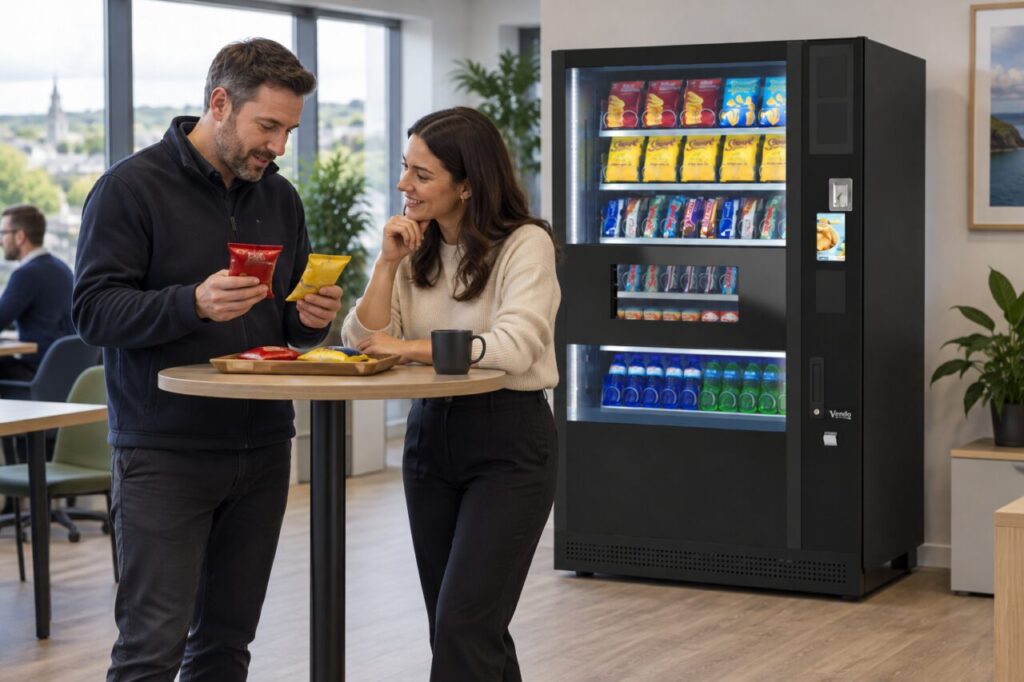
Identify the occasion you are considering
Ask what customers are trying to do at this location: choose a light snack, find a particular product, keep spending within a budget or buy something convenient to carry. Use proportionate feedback and the information available to the operator. Avoid assuming that everyone in a workplace has the same appetite, budget or reason for using the machine.
Review the proposed product with the vending equipment supplier. A smaller pack may require a suitability check just as a larger one does; it is not automatically easier to vend. Confirm the actual format and intended selection before arranging a trial. Keep the equipment question separate from the customer question so success in one area is not mistaken for proof of the other.
Make size and price understandable
The product description and image should help customers recognise the quantity offered. Do not use a photograph of a larger pack for a smaller selection or rely on a familiar brand name to communicate size. Check the information at the machine itself, where customers make the decision. The display should not require them to compare products from memory.
If both sizes are offered, make their differences clear without presenting an unsupported value or health claim. A smaller portion is not automatically healthier, and a lower selling price does not necessarily mean a lower price for an equivalent quantity. Use accurate current product information and avoid simplified labels that could lead customers to misunderstand what they are choosing.
Design a focused comparison
Agree whether the trial is asking about size, product type or price range. Changing every factor at once makes the result difficult to interpret. For example, a new smaller pack in a different flavour may attract purchases because of the flavour rather than its size. Record the relevant changes so the later discussion acknowledges what the evidence can and cannot show.
Check availability during the comparison. A larger pack that was frequently unavailable did not have the same opportunity to sell as a smaller pack that stayed in stock. Equally, a brief burst of interest after an announcement may not describe ordinary demand. Use the actual period and stock information available, rather than turning a few comments into a claim about the whole workplace.
Decide what belongs in the range
Review whether the smaller pack fills a useful gap, duplicates an existing choice or competes for space needed by another product. The answer may be to retain both sizes, keep one or continue gathering information. There is no universal range decision based solely on pack dimensions. Consider the site’s needs alongside suitability, supply and the operator’s practical stocking arrangements.
Tell customers what has changed without overstating the result. A useful message can explain that a smaller-pack option is being trialled and how feedback will be considered. Keep the product record, displayed image and refill instructions aligned with the final decision. This makes the range easier to understand and gives future reviews a clear record of why a particular pack format was selected.
Ask about a suitable snack range for your location.
Related guidance: Snack Vending Ranges: Avoid Mistaking One Popular Flavour for a Whole Category.