
Snack and Drink Pairings in Vending: Test the Idea Before Promising a Bundle
A snack and drink can be a useful combination for someone taking a short break. That does not mean the vending machine automatically supports a bundled price or one combined transaction. Before promoting a pairing, decide whether you are simply suggesting two products or offering a specific supported purchase deal.
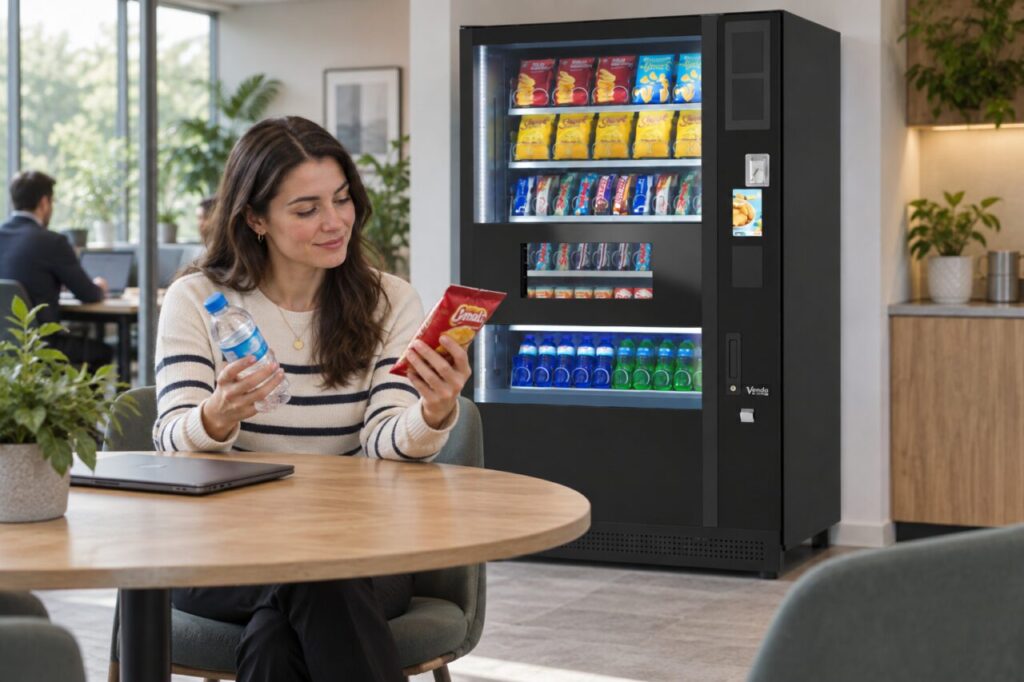
The distinction keeps the message accurate and the test manageable. Start with the customer occasion, then ask the operator what the installed equipment and service arrangement can support. Avoid building a campaign around a feature that has not been confirmed.
Choose a practical customer occasion
Describe when the pairing would be useful, such as a short afternoon break or a drink alongside a packed lunch. Choose products that fit the site’s actual needs rather than putting two slow sellers together and assuming the combination will solve their demand problem.
Use current customer feedback and availability observations. A pairing should still leave people free to choose either item separately where that is how the service operates. Do not imply that everyone needs the same food combination or that a suggested pair has a particular health benefit without supporting evidence.
Check availability of both items
A promoted pairing becomes frustrating if one of its products is often unavailable. Ask the operator whether both selections can be kept reasonably available within the agreed service. Consider the quantities of each item rather than assuming they will sell at exactly the same rate.
Record when either item is unavailable during the trial. A low number of combined purchases may reflect missing stock rather than lack of interest. Keep that context with the results so you do not remove a useful idea because customers could not actually buy the proposed pair.
Clarify the transaction before advertising
Ask whether customers need to make two separate purchases or whether the proposed configuration supports another agreed journey. If a discounted bundle is being considered, the supplier must confirm the pricing and payment behaviour before any offer is announced.
Do not invent a combined button, basket feature or automatic discount in the instructions. The vending equipment range includes different configurations, and the customer message must match the one installed. Where purchases remain separate, say so plainly and display the relevant prices accurately.
Keep the trial question focused
Decide what you want to learn: whether customers like the suggested combination, whether both items remain available, or whether the communication is understood. Use an agreed review period and avoid changing several unrelated elements at once. A small practical test is easier to interpret when its purpose is clear.
If sales data cannot show whether two purchases came from the same customer, do not claim that it proves paired buying. Product totals and anonymous feedback can still inform the discussion, provided their limitations are stated. There is no need to introduce individual customer tracking for a simple range experiment.
Review the whole result
Consider the customer response, availability and any support questions together. A pairing that attracts interest but causes pricing confusion needs a clearer journey before wider promotion. An idea that adds no useful choice can be stopped without treating the trial as a failure of the entire range.
Use the new snack trial framework to keep decisions tied to the original question. Retain the products separately where that continues to meet demand, and only describe a formal bundle when its terms and operation have been confirmed.
To explore suitable product combinations, contact the team with your customer occasion and current equipment arrangement.