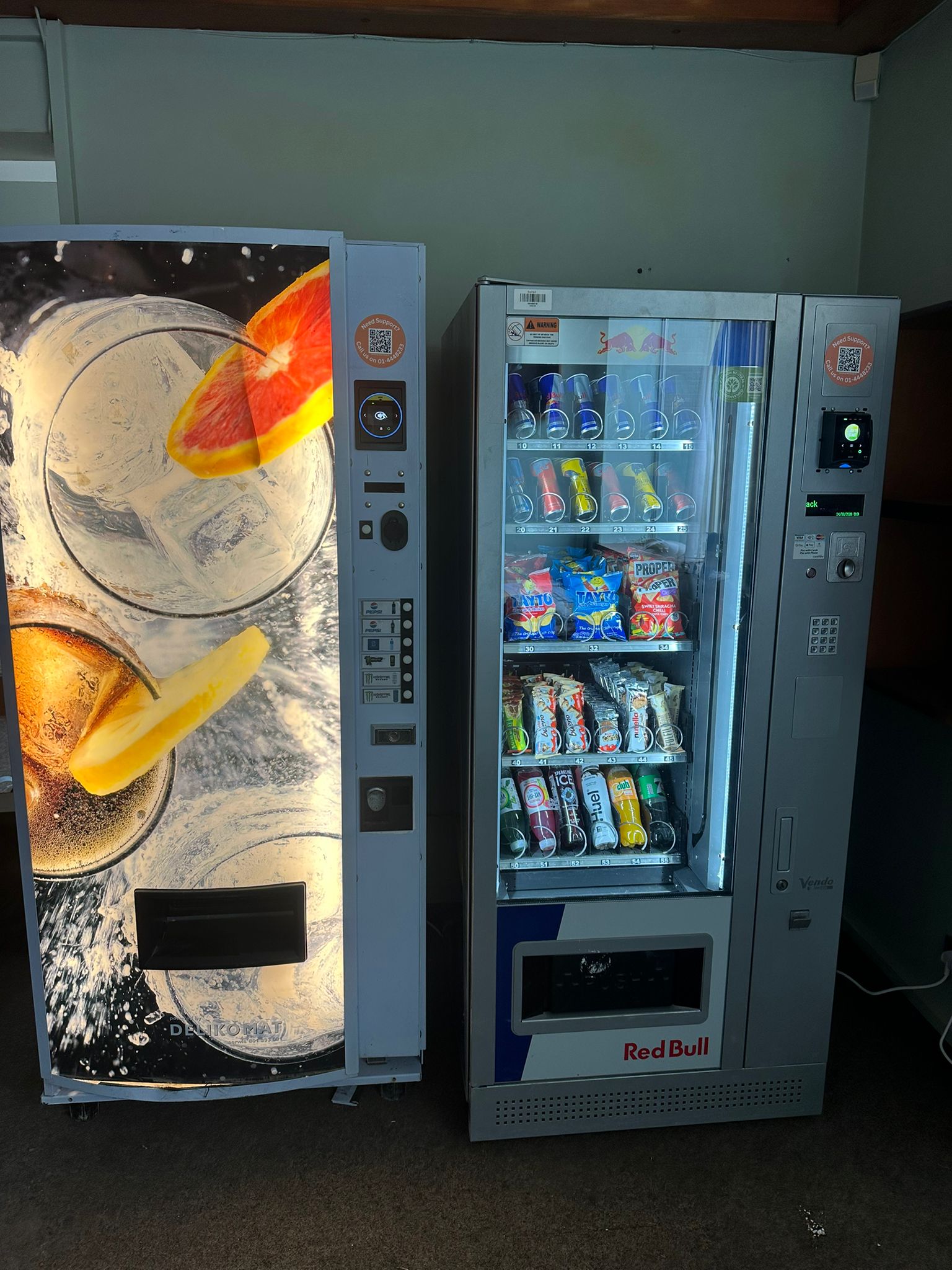
A Vending Stock Carton Contains Fewer Packs Than Before: Update the Refill Calculation
A familiar vending stock carton may arrive with fewer packs than the previous order. If the refill sheet still converts each carton using the old quantity, the operator can overstate stock, under-order the next delivery or calculate the wrong cost per pack. Check the actual case contents before treating the delivery as routine.
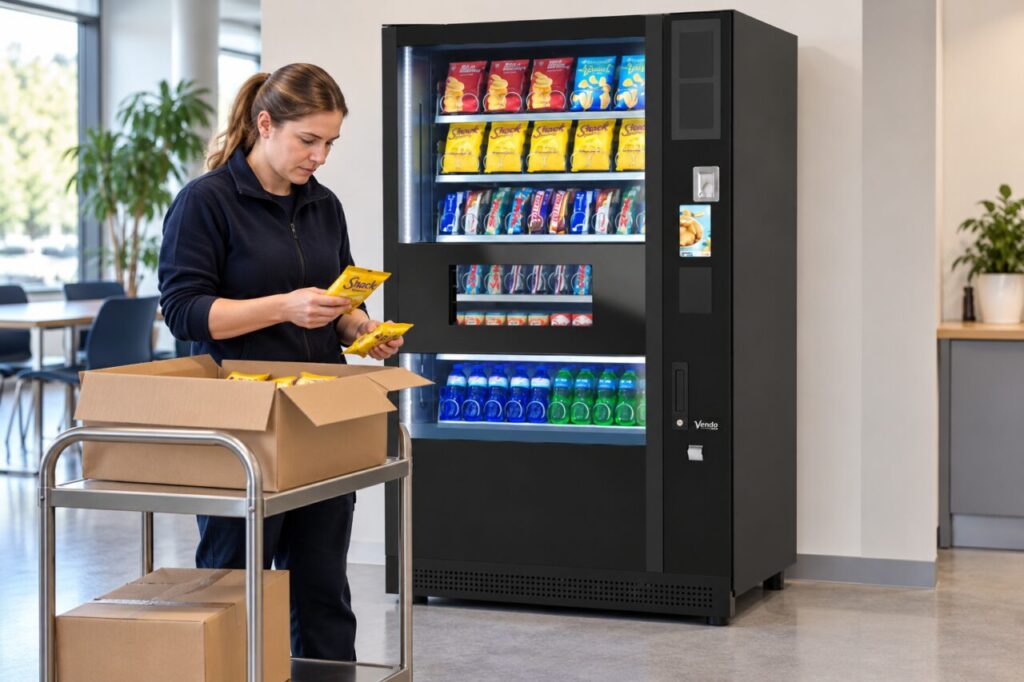
The individual snack may look unchanged while the outer case quantity differs. This is a stock-record issue as well as a purchasing question. Keep the product identity, pack size and number of sellable units separate so the change can be understood without assuming that the supplier has delivered short.
Read the current case information
Check the quantity printed on the outer packaging and compare it with the order acknowledgement and delivery note. Count the received units where practical under your normal receiving procedure. Record whether the case is complete, part-open or damaged. Do not use an old catalogue image as evidence of the current case quantity.
If the documents disagree, set the discrepancy aside for clarification with the supplier. A case described as twelve units on one document and ten on another needs an answer before the records are finalised. Keep the delivery reference and product details together. This helps distinguish a changed case format from an actual shortage.
Update the unit conversion
Use individual sellable packs as the common unit for the refill calculation. For example, three complete cases of ten packs contain thirty packs, not the thirty-six that an old twelve-pack conversion would produce. This is illustrative arithmetic, not a statement about any particular supplier’s product or current packaging format.
Update the stock sheet, ordering template and any locally maintained case-to-unit reference. Check whether the change applies only to new deliveries or also to stock already in storage. Label mixed old and new case formats clearly enough that a cover operator can count them correctly without needing the usual operator’s memory.
Review cost and ordering assumptions
Divide the applicable case cost by its actual sellable unit count when comparing like-for-like purchases. Keep delivery charges, discounts and other adjustments visible according to the business’s agreed costing method. Do not conclude that the individual product has become cheaper merely because the case invoice total has fallen.
Review the reorder quantity against expected demand and available storage. A purchase instruction for four cases can now represent fewer packs than before. When discussing vending stock and machine requirements, provide the actual product and pack details. Case quantities alone do not explain how many units are available for the machine or how often the site needs replenishment.
Brief the people using the record
Tell the receiving colleague, refill operator and person placing the next order what changed. Show one worked example using the new case quantity. If the individual pack also changed, have the responsible operator confirm its suitability for the existing selection setup rather than assuming that a familiar product name guarantees a suitable fit.
At the next stock reconciliation, compare recorded units with the physical count and investigate any difference. Keep the effective date of the new conversion so earlier records remain understandable. The useful result is one consistent counting basis from delivery to storage to refill, with the packaging change documented instead of silently absorbed into an inaccurate total.
Related guidance: Open Snack Cases at Stocktake: Count Units Before Reordering.
For help assessing your site, contact Vending-Machines.ie.