GTIN or EAN: which barcode should you record for vending stock?
When you record a vending stock barcode, identify the item you are actually counting. A GTIN is a Global Trade Item Number. An EAN-13 barcode is a symbol that can carry a thirteen-digit GTIN. The wrapped snack sold to the customer and the outer case delivered by a wholesaler can each have their own identifier. Recording one as the other can distort both refill quantities and sales reports.
Start with one case and one retail pack
Take an unopened case from a delivery and compare its label with the label on an individual saleable pack. Record the product description, flavour, pack weight, units per case and the identifier at each level. Keep the codes as text so the system preserves any leading zeros. A number that looks tidy in a spreadsheet may no longer match the original code once a zero has disappeared.
GS1 Ireland’s barcode guide distinguishes retail items, traded units such as outer cases and logistics units. A retail unit commonly carries an EAN-13 symbol. An outer case can use a different symbol suitable for its purpose. Ask the supplier which code on its invoice identifies the unit being priced. A line priced by the case should be converted to individual units before it is compared with vending sales.
Follow twelve packs from delivery to the machine
Imagine receiving one case of twelve bars. If the stock system treats a scan of the case as one individual bar, eleven units disappear from the recorded balance before anyone makes a purchase. If it instead records twelve cases as twelve bars, the error runs in the other direction. Specify the conversion between purchasing and sale units, then test a receipt of one known case before relying on automatic replenishment.
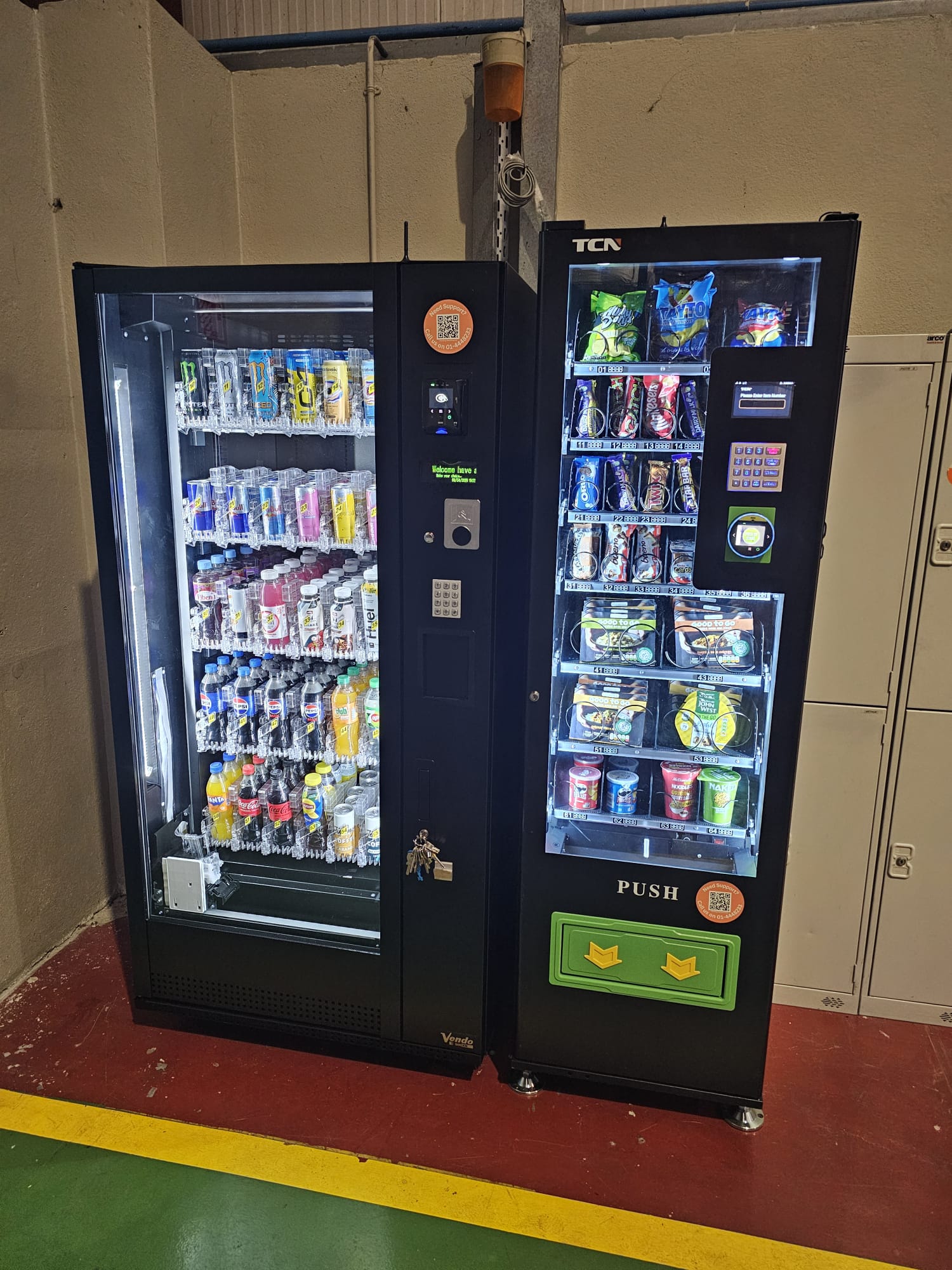
At the cabinet, note the row and the product actually loaded. The customer might press B4 to buy the bar. B4 identifies a selection on that machine; the GTIN identifies the trade item. The same bar can occupy a second row or another cabinet. Keep these relationships in the product map so a sale updates the right stock record without creating a new product code for each physical row.
Check substitutions before refilling
A substitute flavour can arrive in a case with a familiar brand name. Compare the pack size, ingredient information, product identifier and retail price with the item assigned to the row. Update the label and map before making it available for sale. An apparently minor substitution can matter to the person choosing the snack even if the wholesaler charges exactly the same amount.
Ask the route operator to record when the change took effect. Sales from the previous morning may belong to the old product, while sales after the refill belong to the replacement. If reports disagree with the physical stock, trace one delivery and one sale all the way through before changing every entry. The guide to vending product maps explains the separate code used for the machine’s selection.
Give the next person a usable record
A good register lets someone take a retail pack from the shelf, match it to a supplier case and identify every row that carries it. Check this with a real pack during handover. Store the case quantity beside its code and add a review date if suppliers change packaging regularly. A barcode identifies the product level you recorded; it does not establish the units per case by itself.
For an Irish workplace reviewing its snack machine, share sample packs and a proposed product list with the operator before the first fill.