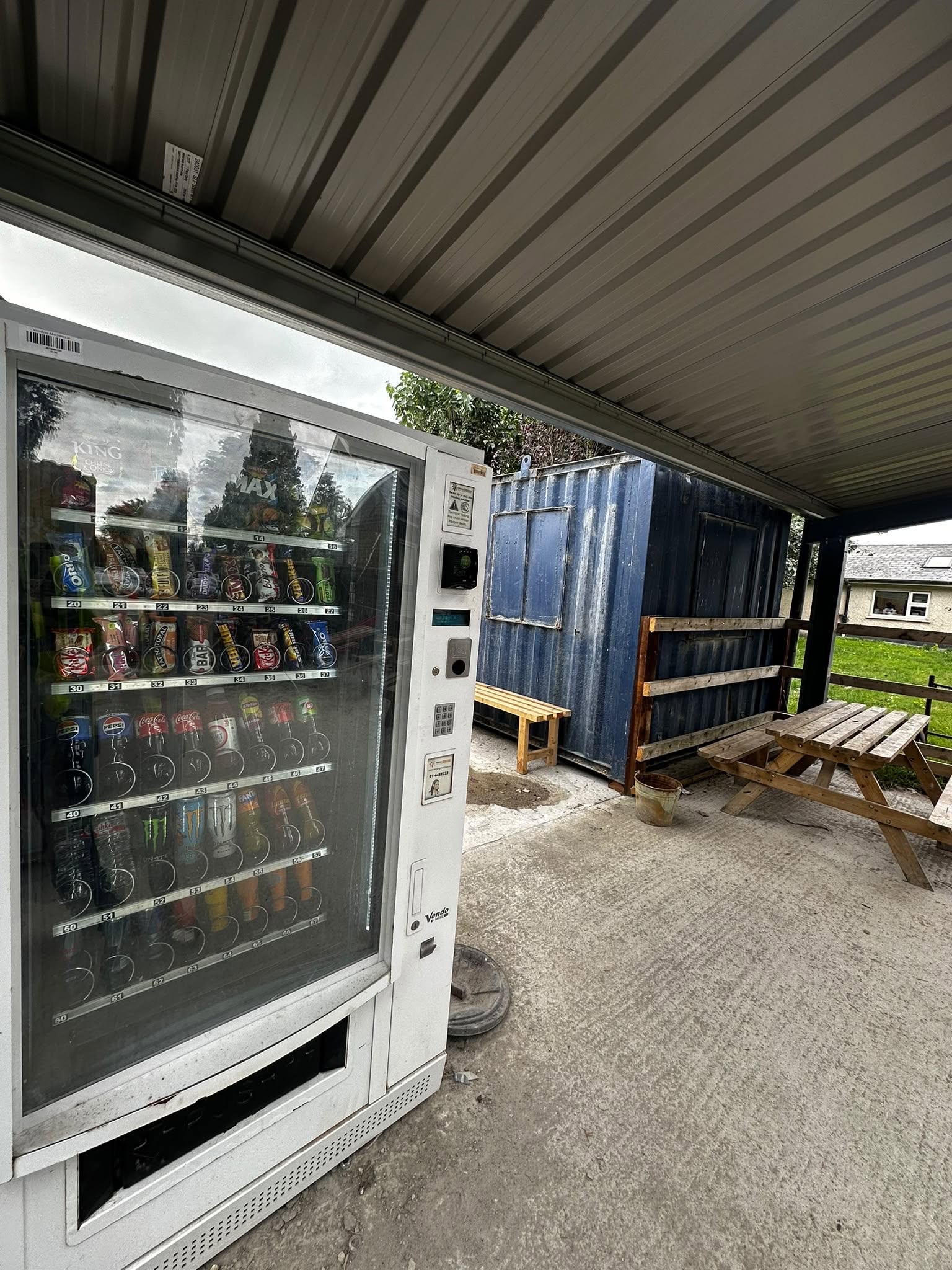
A Vending Stock Order Has a Minimum Value: Budget for What You Must Actually Buy
Your vending refill list may require a small quantity of stock while the supplier requires a larger minimum order. The amount you must pay is then different from the value of products immediately needed in the machine. Include that difference in the buying decision instead of budgeting only for the next refill.
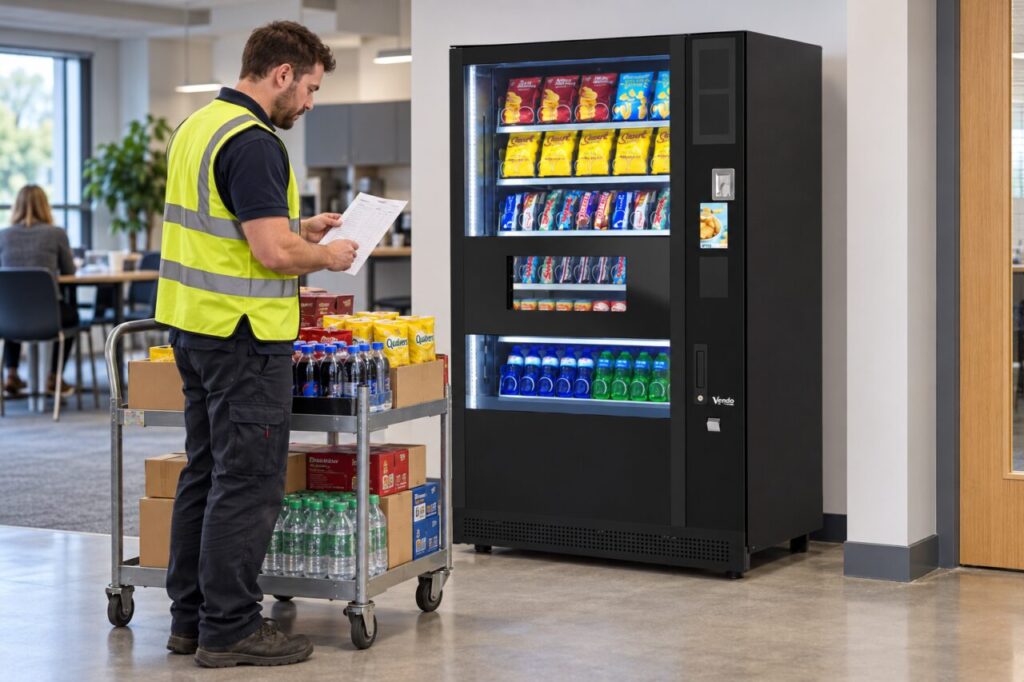
First check what the supplier’s minimum actually means. It might concern order value, case quantity or eligibility for a delivery arrangement. Those are not interchangeable conditions. Obtain the current terms for your account and proposed order rather than relying on a threshold remembered from a previous purchase.
Separate the minimum order from delivery pricing
Ask whether an order below the stated value is unavailable or simply attracts a different delivery charge. Confirm which products count towards the threshold and how the supplier calculates it. Keep the tax and delivery basis consistent when comparing options. A free-delivery threshold should not be described as a compulsory stock minimum unless that is genuinely the term.
Check case sizes as well. Reaching an order value by adding a case can introduce more units than expected, especially if your refill list is written in individual packs. Convert the proposed order into sellable units for stock planning, while keeping the actual invoice amount visible in the cash budget.
Compare the full purchase with the immediate need
Take a hypothetical example: the products needed now cost EUR70, but the available order requires EUR120 of stock. The immediate cash commitment is EUR120, leaving EUR50 of purchased stock for later use if all other assumptions hold. The extra amount is not automatically wasted, but neither is it money still available for another bill.
Check whether the additional products are suitable for the machine and likely to be used within their appropriate selling window. Do not add slow-moving stock merely to make an order reach a neat threshold. Record where the surplus will be stored and how it will be included in the next refill calculation.
Compare alternatives on the same basis
Ask whether another permitted order combination, collection arrangement or delivery date would meet the need with less surplus. If you compare suppliers, include pack sizes, delivery, stock suitability and the total amount payable. A lower unit price can still require a larger initial purchase, so show both measures to the person approving the order.
Coordinate orders across machines only where the stock and ownership arrangements permit it. Keep transfers traceable rather than assuming every carton in shared storage is available to every site. A combined purchase can simplify buying, but it also needs a clear allocation so that one location does not appear profitable because another absorbed its stock cost.
Update the next order from actual stock
Before reordering, count the relevant stored stock and deduct usable quantities from the requirement through your normal process. Otherwise the minimum-order surplus can accumulate while the refill list repeatedly asks for the same products. Review products that remain after several cycles and adjust the purchasing plan using the observed demand.
Our vending cost guide introduces the broader equipment-cost discussion. For ongoing stock purchases, use current supplier terms and your own records. Keep minimum orders, delivery charges and remaining inventory visible as separate items so that a seemingly small refill does not create an unexpected cash requirement.
Related guidance: Free Units in a Vending Stock Order: Count Them Without Hiding the Purchase Cost.
For help assessing your site, contact Vending-Machines.ie.