
A Vending Stocktake Finds Extra Packs: Trace Transfers Before Adjusting Profit
Finding more vending stock than the records show can look like good news, but unexplained extra packs should not simply be treated as profit. The difference may come from an unrecorded transfer, a unit conversion error or a count made while stock was still moving between the store and machines.
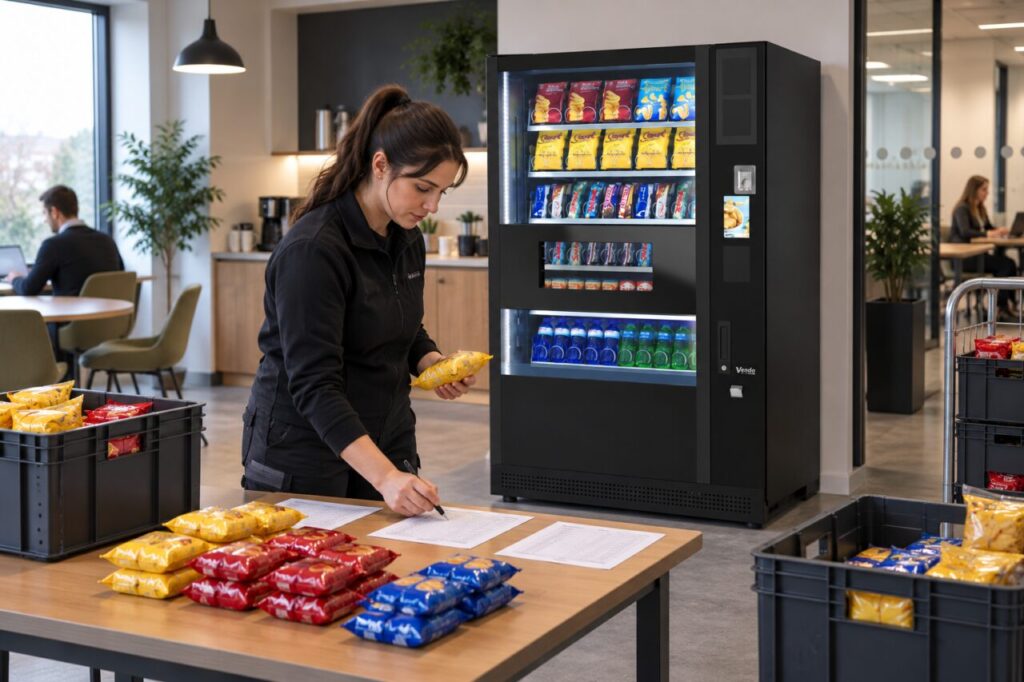
Start by preserving the count and tracing the movement. The aim is to explain the difference before an authorised adjustment is made. This keeps the physical stock record useful and gives accounts a factual basis for deciding whether any financial correction is needed.
Confirm that the count is comparing the same thing
Check the product, pack size, location and count time. Two similar flavours or sizes can be combined accidentally, especially where a shelf label uses a shortened name. Count individual saleable packs consistently and show unopened cases separately with the verified quantity in each case.
Repeat the affected count with another person if practical. Keep the original result rather than overwriting it without explanation. A second count that confirms the difference is stronger evidence than a quick adjustment made because the expected number looked plausible.
Identify stock that is quarantined, awaiting return or reserved for another purpose. These packs may be physically present but should not automatically be included in the same available-stock figure. Record their status explicitly so the reconciliation does not solve one mismatch by creating another.
Trace transfers before assuming a buying error
Review recent movements from the store to machines, returns from machines and stock held on a route vehicle. A pack can move without generating a supplier invoice or a customer sale. If one side of that transfer was missed, one location may show a surplus while another shows a shortage.
Use a simple example to test the logic. Suppose twelve packs were returned from a machine to the store but the return was not recorded. The store can appear twelve packs over its expected count. Adding those packs as a new purchase would duplicate stock rather than explain the transfer.
Check the timing carefully. A count completed before a route return should not be compared with a system balance that already includes it. Mark the cut-off time and keep later movements separate until the count is reconciled. This is particularly important when several people handle stock during the day.
Look for unit and duplicate-entry problems
Compare case quantities used in receipts and transfers. A change from one supplier case size to another can create a difference even if every physical delivery was counted correctly. Verify the actual pack quantity rather than assuming last month’s conversion still applies.
Check whether the same transfer was entered twice or posted to the wrong location. Use document references and dates to investigate rather than deleting entries until the balance looks right. Preserve the audit trail and have the responsible person approve any correction under your normal process.
If the reason remains unclear, record the unresolved amount and the checks completed. Do not invent a sale, purchase or waste event to force a match. An explicitly unexplained variance is more honest and useful than a neat balance supported by a fictional movement.
Close the count and improve the next transfer
Once the cause is established, record the correction and its supporting evidence. Keep stock quantity changes distinct from accounting decisions about value or profit. The person responsible for the accounts should assess the financial treatment using the facts, not a label that calls every surplus a gain.
As a vending business grows, a consistent transfer reference and clear count cut-off become increasingly useful. Review the specific missed step and improve it. A small, targeted process change is more effective than asking everyone to be more careful without explaining what went wrong.
Related guidance: Your First Vending Stock Count: Separate Opening Stock from Sales.
Planning or reviewing vending at your site? Contact the team with your location, equipment details and the question you would like to resolve.