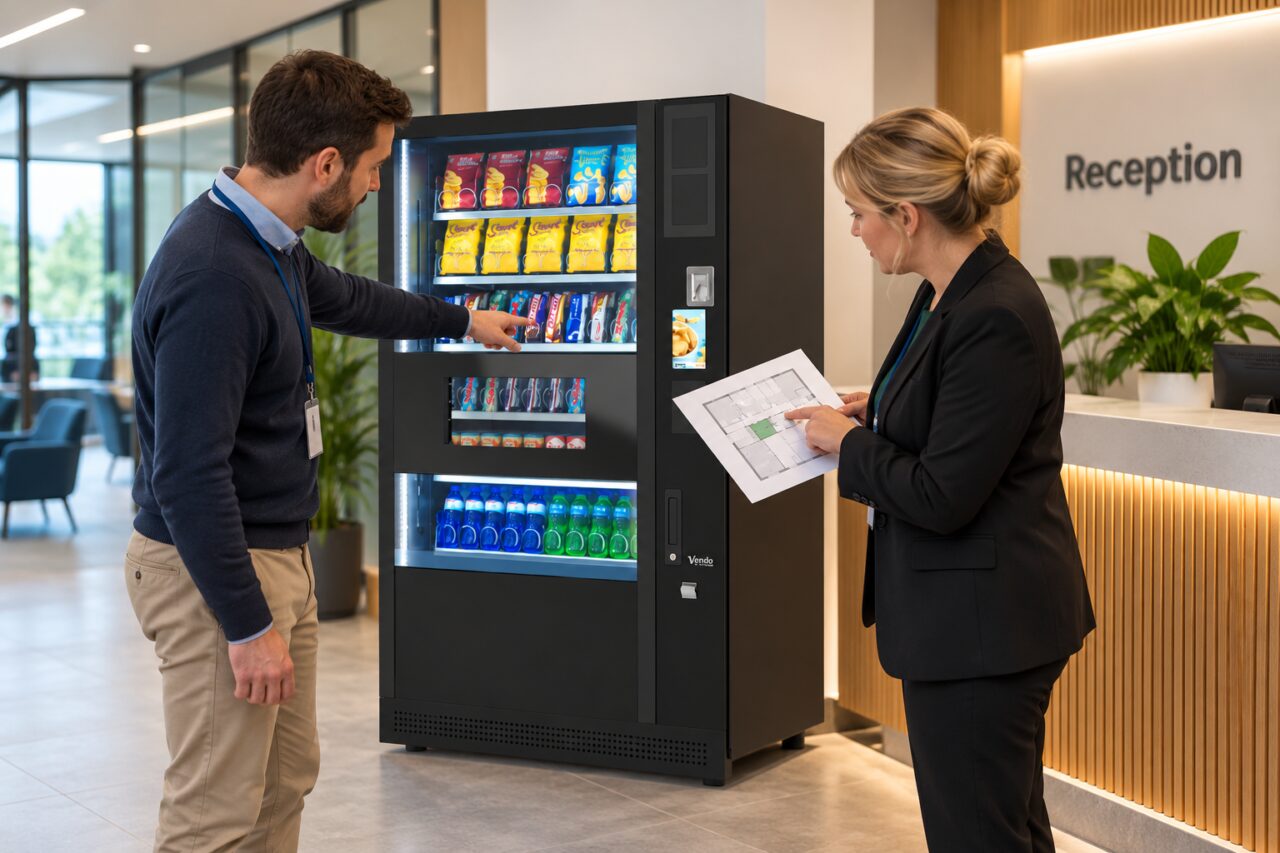
Vending Support Receives Two Different Machine Names: Match the Physical Location
A vending machine may be called the lobby machine by one team and the reception machine by another. That difference can confuse support even when both people mean the same equipment. Match the names to the physical location and the operator’s equipment reference before opening another fault report or arranging a separate visit.
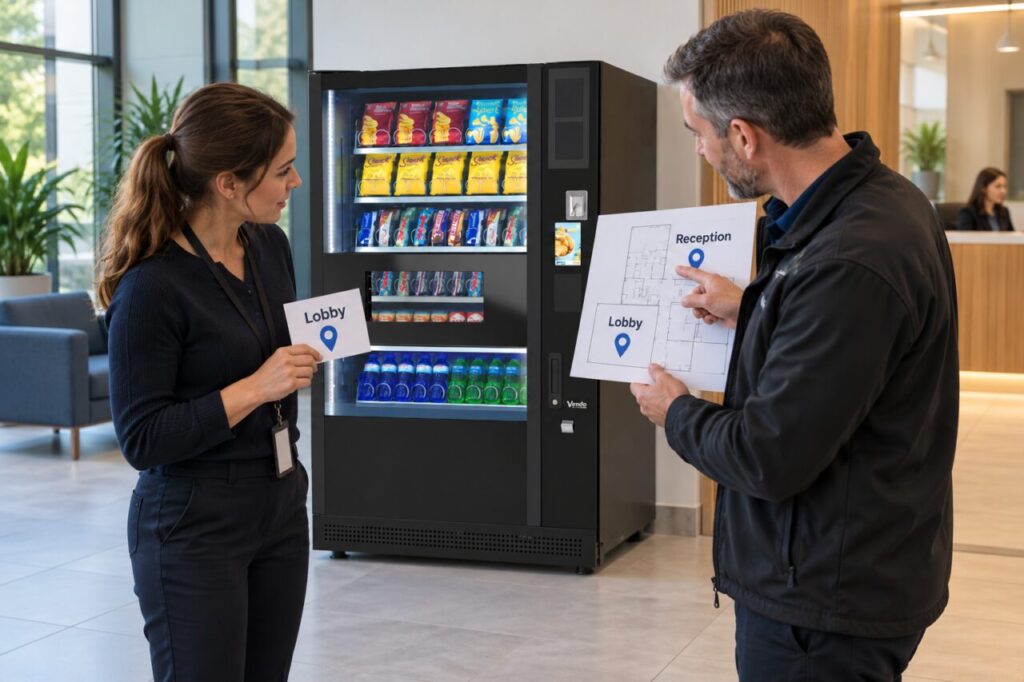
The issue is different from a genuinely wrong machine number. Local names can both be reasonable, particularly in a large building or after departments move. The useful response is to connect the names in one clear record so the operator can identify the equipment and understand which existing case the new information belongs to.
Establish whether there is one machine or two
Ask each reporter to describe the building, floor and nearby fixed landmark. Compare those descriptions with the site’s equipment list. Avoid relying only on a room name that may have changed. A short description such as ground-floor reception beside the staff entrance can help distinguish the location from another lobby in the same premises.
Use the public equipment identifier or reference provided during handover where available. Do not open the cabinet to search for a label, and do not guess a serial number from a similar machine. If staff cannot find the approved reference, ask the operator how the site should identify the unit safely from the customer side.
Join the information to the existing case
If the reports concern the same machine and event, tell support that the local names differ and provide the existing case reference. Ask whether the reports should be linked. Do not delete a report or assume that somebody else’s message has been read simply because your own account appears to describe the same symptom.
Keep different observations distinguishable. One person may have reported a payment problem while another noticed an unavailable selection. Identifying the same cabinet does not prove that the symptoms have the same cause. Record who observed what and when, without sharing unnecessary personal details, so the operator can assess the information rather than inherit a combined guess.
Choose a consistent site label
Agree a short location name that staff can use in future messages, and keep useful older names as aliases in the internal record. The operator’s reference should remain the main identifier where one exists. Local wording can then make the location easy to find without replacing the equipment identity used for service history.
Share the agreed wording with reception, facilities and the people who receive service visits. If a notice is appropriate, place it according to the supplier’s guidance without covering controls, product information or existing labels. Do not alter official equipment markings. The aim is to improve communication, not to rename assets independently of the responsible operator.
Keep the record current after changes
When the machine moves or the building changes its room names, update the location record and tell support. A previous alias can remain useful for historical reports, but it should not send a technician to an empty space. Include the effective change date so older case notes remain understandable when reviewed later.
For a new vending installation, ask how the operator wants machines identified in support requests. Test the description with somebody who has not attended the installation. If they can locate the correct equipment and quote the same reference, the site is less likely to create duplicate cases simply because different teams use different names.
For a proposal suited to your site, contact our team with the location, expected users and your main requirements.
Related guidance: A Vending Fault Report Contains the Wrong Machine Number: Correct the Existing Case; One Vending Complaint Covers Several Machines: Separate the Incidents Before Escalating.