Why does a coffee vending machine make watery coffee?
Watery coffee from a vending machine may reflect the selected recipe, the amount dispensed or a preparation problem. Start by checking whether the drink has changed from its usual result. A large, mild coffee and a machine failing to deliver its normal coffee dose need different responses.
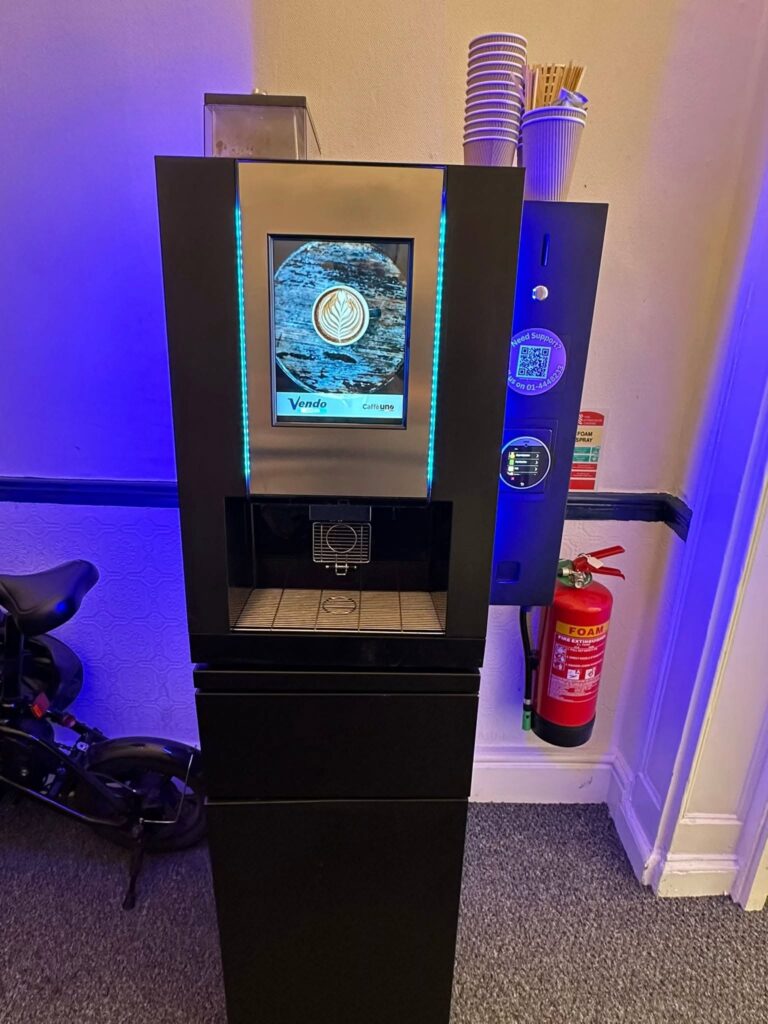
Compare the same drink before changing settings
First, note the selection name, cup size and any strength option used. Compare like with like: an espresso and a long black coffee are not meant to have identical concentration. If someone selects a larger drink, confirm whether the machine changes the coffee dose or only adds more water.
JURA’s recipe guidance lists water quantity and coffee strength separately for different drinks. The recipes concern JURA equipment, but the distinction is useful when discussing a workplace machine with its operator. Do not copy those settings into a different model.
Record whether all coffee selections taste weak or only one. Also note whether the complaint began after a refill, a bean change or a service visit. This helps the operator decide whether to review a recipe, an ingredient or the preparation system.
Check what type of machine makes the watery coffee
A bean-to-cup machine grinds beans, while an instant-coffee system uses a different ingredient and mixing process. Advice about adjusting a grinder does not apply to every coffee vending machine. Identify the equipment before following a troubleshooting suggestion.
For a bean-to-cup machine, the authorised operator can review the selected strength and drink volume against the established recipe. If the machine uses soluble ingredients, the operator should check the correct ingredient and its documented dispensing setup. Customers should not open ingredient containers or change internal controls.
Ask whether the cup is filling to its usual level. A larger-than-usual drink is useful evidence, particularly if the same selection previously tasted balanced. A normal volume with a sudden loss of flavour suggests a different check. Neither observation proves that one named component has failed.
Keep maintenance separate from taste preference
Review outstanding cleaning messages and the routine maintenance record. Follow the manufacturer’s cleaning instructions, including the specified products and rinsing steps. Do not add extra cleaning chemicals to make a weak drink stronger or interrupt a cleaning cycle to serve customers.
JURA’s ENA 9 care guidance illustrates the need for regular cleaning and attention to maintenance prompts. The exact routine belongs to that model. Your provider should identify the equivalent tasks for the installed workplace machine.
If the issue appeared immediately after maintenance, explain that timing to support. Stop serving drinks if you suspect cleaning residue, incorrect ingredients or another safety problem. Do not keep tasting successive cups to investigate a possible chemical contamination concern.
Make one controlled adjustment at a time
Once maintenance and ingredient checks are complete, the authorised operator can review the recipe. Record the starting settings before changing one permitted variable. Then prepare the same selection using the same cup and compare the result. Changing strength, volume and grind together makes the cause harder to identify.
Our coffee-machine water hardness guide covers another part of equipment setup. Water treatment should follow the machine’s requirements; it should not become a guessed cure for every taste complaint.
Finally, agree the preferred drink with the people who use the machine. A consistent recipe is more useful than staff changing it whenever one person prefers a stronger cup. Keep the approved settings and service findings available, and report recurring changes rather than repeatedly compensating for them.
Explore our commercial coffee machines or discuss your workplace coffee requirements with the team.