
What snacks sell best in vending machines?
What snacks sell best in vending machines? Start with the people who use yours. A packet of crisps, a chocolate bar and a savoury biscuit give customers three different choices. Which one deserves a second row depends on sales at your site, how often each row is empty and what customers ask for. A list of well-known brands cannot answer those questions for an Irish workplace.
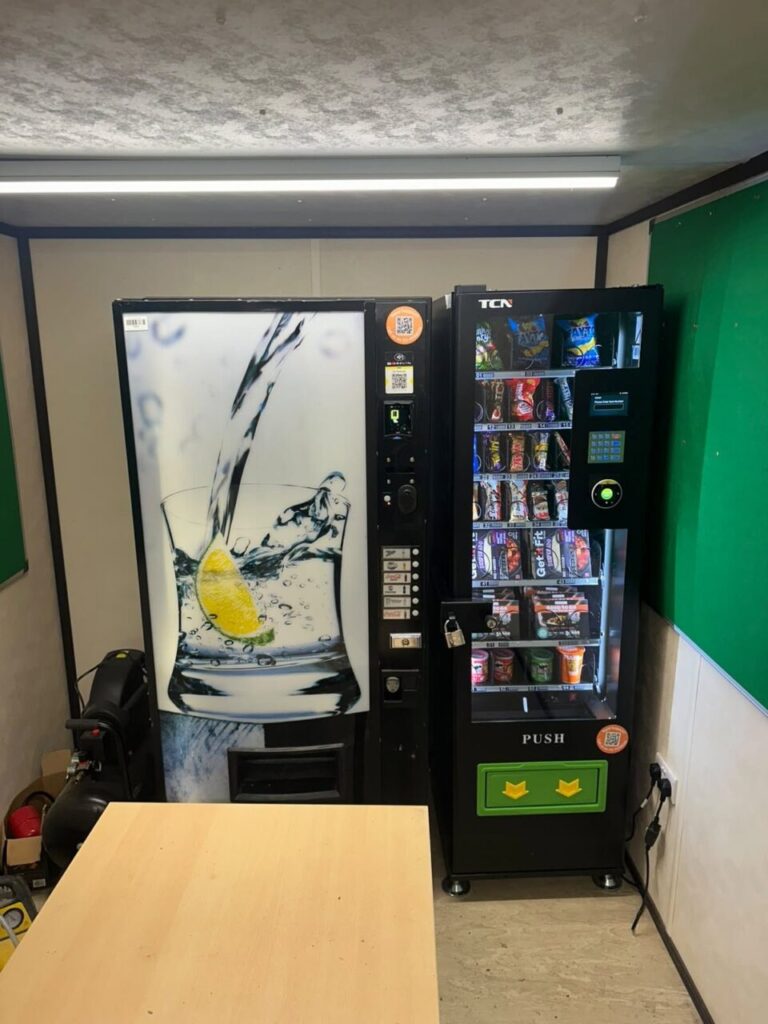
Choose a small opening range
Walk through a normal working day before ordering stock. Can staff buy lunch nearby? Is the canteen open for people on the late shift? Does the machine sit beside a tea station or near an entrance where visitors wait? Write down the occasions you want the machine to serve. A snack to go with a cup of tea serves a different purpose from something to tide someone over until dinner.
For an opening trial, consider a crisp, a biscuit, a chocolate option and a packaged alternative such as plain popcorn. Check the actual pack size, price and ingredients of each choice. Ask staff which option they would buy at the displayed price. Someone who requests a premium bar might choose a different product once they see what the bar costs. Keep the first order small enough to change your mind.
Count the days each snack was available
At each refill, record the product, opening stock, units added and closing stock. Make a separate note of damaged packs and anything removed for another reason. Where the machine records sales by selection, match the selection number to the product actually in that row. Change the record when you swap products, even if the price stays the same.
Consider an illustrative five-day trial. The machine sells twelve bags of crisps in two days and runs out. A biscuit sells fifteen packs over the full five days. The biscuit leads on units sold, but the crisps sold six packs per available day against three for the biscuit. That gives you a reason to try more crisps at the next refill. It does not tell you exactly how many bags people would have bought on the three empty days.
Check what a sale contributes
A popular product can still be expensive to stock. Compare the selling price and purchase cost on the same tax basis. Then allow for payment charges, waste and the work of replenishing the machine. Keep these figures separate from units sold. A product can lead the sales count while a slower seller contributes more money per row over the same period.
Look at the size of the case as well. If a supplier sells a product in large cases, consider whether the site can use that stock within its marked dates. Check the storage instructions and pack condition at delivery. For food operators, the Food Safety Authority of Ireland has guidance on running vending machines.
Change one row and check again
Agree a review date with the person who orders stock. If customers ask for a different flavour, try it in one row while keeping a familiar option beside it. Record any price change, office closure or shift change during the trial. Otherwise a quieter week can make a perfectly good product look unpopular. Ask the evening shift as well as the people you meet during the day.
For a closer look at the numbers, see our guide to vending profitability. At the review, decide which product to keep, which row needs more space and which product warrants a smaller order. Give staff a simple way to suggest the next change. For a new site, bring the proposed range, expected refill days and typical break times to your vending enquiry. Those details help you choose a snack vending machine and a stock plan that suit the people who will actually use it.


