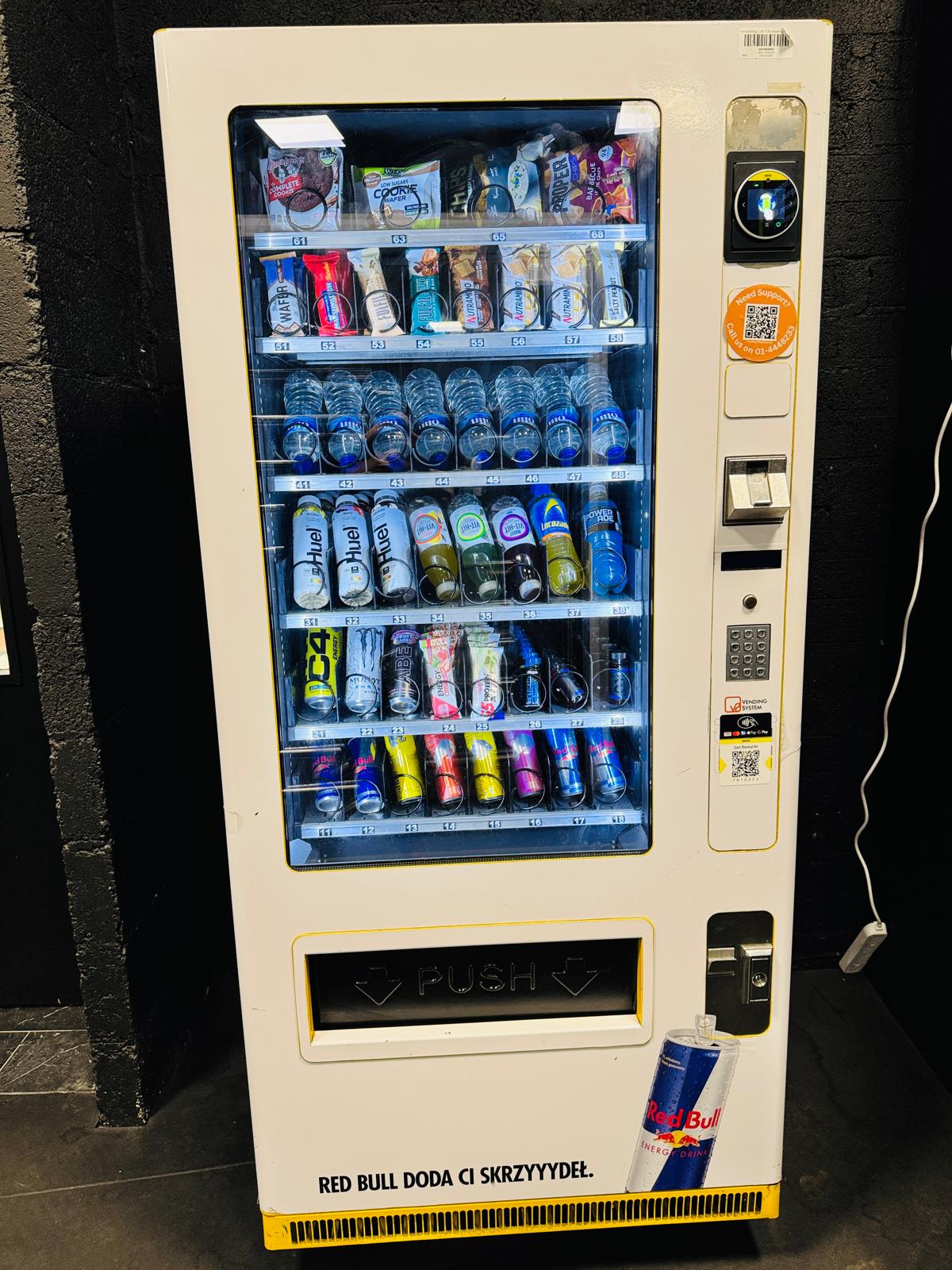
What Are the Tax Implications of Operating Vending Machines in Multiple Regions?
Running a vending business across various regions may seem straightforward, but tax regulations can quickly complicate the process. If you’re thinking about expanding your vending operations, understanding the tax implications is essential for staying compliant and maximizing profits. Below, we’ll break down what you need to know about operating vending machines across different areas.
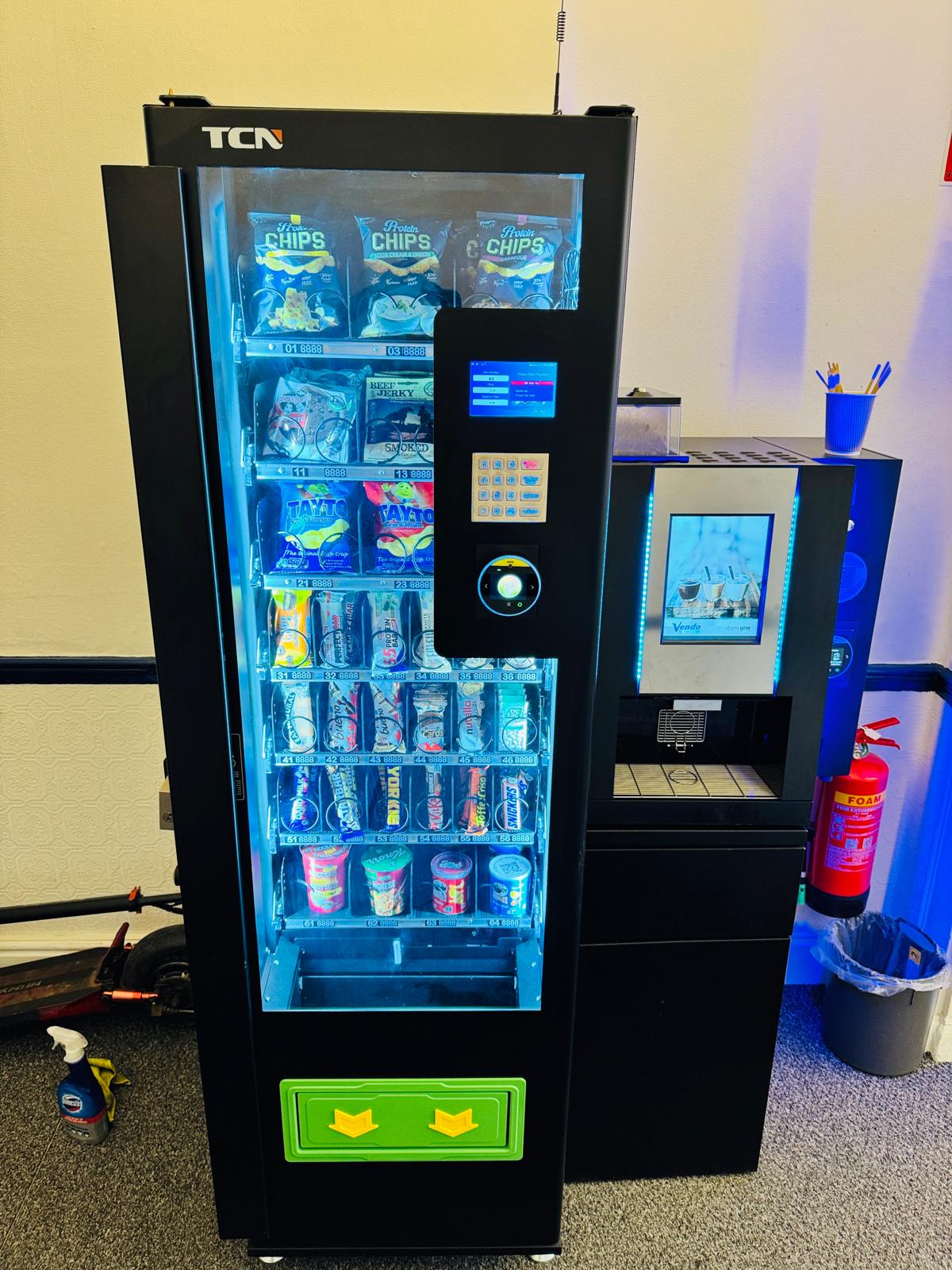
Regional Tax Rules for Operating Vending Machines
When operating vending machines in multiple regions, one of the biggest challenges is navigating local tax codes. Each area may have its own rules on sales tax, licensing fees, and revenue reporting. For example, some regions may exempt food items from tax, while others apply standard rates. This means the same snack sold in two cities might generate different tax obligations. It’s crucial to research the tax policies for each location where you place machines. Local tax authorities often have online resources, but consulting with a tax advisor familiar with your operating regions can provide added clarity.
Sales Tax Collection Across Locations
Collecting the correct sales tax is a core responsibility when operating vending machines. Since customers make purchases directly from the machines, it is your duty to program tax rates correctly. The complexity increases if you’re working in areas with different tax structures or tax holidays. Fortunately, most modern vending machines support programmable tax options. Nevertheless, you must stay up to date on changes in tax rates. Missing updates can lead to under-collection or overcharging, both of which can result in penalties or customer dissatisfaction.
Reporting Income from Multiple Regions
Operating vending machines across several jurisdictions means you must report your income by region. This can be time-consuming without a proper tracking system. Regional income reporting is critical, especially if states or counties require local business tax filings. To simplify this task, many vending business owners use centralized tracking software that breaks down revenue by machine and location. This not only helps with compliance but also improves business decision-making.
VAT and Cross-Border Considerations in Ireland and Beyond
If you are running machines in Ireland and plan to expand across borders into the UK or other EU countries, VAT rules become even more important. Some items may be zero-rated or taxed differently depending on the country. As a business owner, understanding the VAT registration thresholds in each jurisdiction is essential. For instance, if your revenue in another country crosses a certain limit, you might need to register for VAT there, even if your business is based in Ireland. Visit vending-machines.ie to learn more about our service areas and business insights that support cross-border vending operations.
Business Licenses and Local Tax Permits
Before installing machines in a new city or region, check whether a business license or vending permit is needed. These permits are separate from general tax compliance and may require renewal on a yearly basis. Operating vending machines without a valid license can lead to fines or forced removal of your equipment. Moreover, some areas impose location-based fees or taxes on vending machine operators. This makes it even more critical to verify requirements before expanding to a new site.
Tax Deductions for Vending Machine Operators
While managing multiple tax obligations may seem overwhelming, there are also benefits. Operating vending machines qualifies you for several tax deductions, including equipment depreciation, travel costs, and maintenance expenses. Keeping accurate records allows you to claim these deductions and reduce your taxable income effectively.
Stay Compliant and Focus on Growth
Staying compliant with tax laws while operating vending machines in multiple regions is not only necessary but also good business practice. It protects your reputation and ensures steady growth without legal hurdles. Since tax laws vary so widely, consider working with a professional accountant familiar with regional vending regulations. Contact us today if you have questions about vending machine operations, business setup, or how to expand your reach while staying compliant. We’re here to help you grow with confidence.