
What Food Safety Rules Apply to Vending Machines?
Food safety rules are essential for any vending machine business that handles consumable products. These rules ensure that food remains safe, fresh, and suitable for consumption. In addition, they help operators maintain hygiene and avoid health risks for customers. Therefore, understanding basic food safety rules is the first step for any vending machine owner. Moreover, different regions may apply slightly different standards, so operators must always stay informed. As a result, proper compliance becomes easier to maintain over time. In addition, regular monitoring and good operational practices further support safe and reliable vending machine operations.
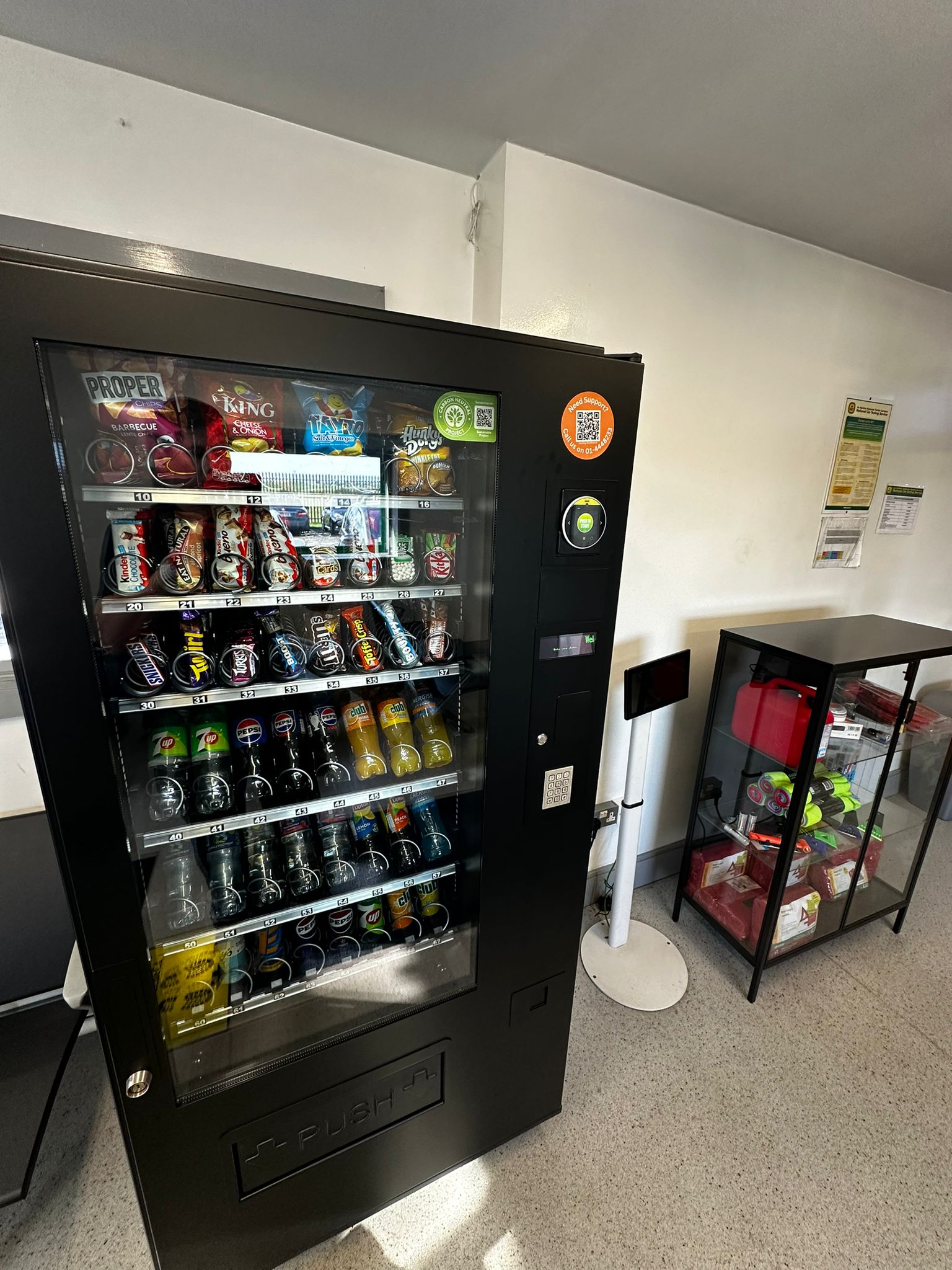
Hygiene Standards and Food Safety Rules
Hygiene plays a major role in food safety rules for vending machines. Operators must regularly clean machines to prevent contamination and maintain product quality. Furthermore, these rules require proper handling during restocking to avoid exposure to dirt or bacteria. As a result, clean equipment reduces the risk of customer complaints and health issues. In addition, staff training is important so that everyone follows consistent standards during daily operations.
Temperature Control in Vending Machines
Temperature control is one of the most important food safety rules for vending machines. Hot and cold products must stay within safe temperature ranges to prevent spoilage. Therefore, machines should be checked regularly to ensure proper cooling and heating functions. Moreover, these regulations require monitoring systems to track temperature consistency. In addition, failure to maintain correct temperatures can lead to product loss and safety risks. As a result, operators must prioritize equipment maintenance.
Storage and Handling Food Safety Rules
Proper storage and handling are key standards that protect products before they reach vending machines. Ingredients and finished products must be stored in clean, controlled environments. Furthermore, operators should follow strict rotation practices to ensure freshness. As a result, older stock should always be used first. In addition, vending-machines.ie provides general insights into vending operations that help businesses understand proper handling standards alongside food safety rules.
Compliance and Inspection Standards
Compliance with food safety rules often includes regular inspections and documentation. Authorities may check hygiene practices, storage conditions, and machine cleanliness. Therefore, operators must maintain accurate records to demonstrate compliance. Moreover, these standards also require quick action when issues are identified during inspections. In addition, consistent compliance builds trust with customers and reduces operational risks. As a result, vending machine businesses operate more smoothly under clear regulations.
Training and Operational Food Safety Rules
Training is an essential part of maintaining food safety rules in vending machine operations. Staff must understand how to handle food safely and follow hygiene procedures correctly. Furthermore, regular training updates help reinforce these standards as regulations evolve. In addition, proper operational habits reduce mistakes during restocking and maintenance. As a result, businesses can ensure consistent product quality and customer safety.
Conclusion
Long term success depends on consistently following food safety rules across all operations. Operators must regularly review processes and update procedures when necessary. Furthermore, preventive maintenance helps avoid breakdowns that could compromise safety. Finally, if you need guidance or support, contact us to learn more about managing vending operations effectively while following food safety rules.
Related Posts
 What Are the Food Safety Rules for Vending Machines?
Vending machines are found in offices, schools, and public spaces, offering convenience for busy individuals.…
 What Laws Apply to Food Vending Machines?
Food vending machines are becoming more common in both public and private spaces. However, operators…
 How Do Vending Machines Ensure Compliance with Food Safety Regulations?
Vending machines provide quick access to snacks and beverages, but they must also comply with…