What Laws Apply to Food Vending Machines?
Food vending machines are becoming more common in both public and private spaces. However, operators must follow several legal rules to stay compliant with local regulations. Therefore, understanding these laws helps avoid fines and ensures safe and smooth operation. In addition, regulations protect consumers by maintaining hygiene, safety, and product quality standards. Since requirements vary by region, operators should always stay updated with the latest rules. Moreover, vending machines must meet strict standards before installation and during daily operation. As a result, compliance becomes a key part of running a successful and responsible vending business in any location.
Food Vending Machines Compliance and Licensing Law
First, licensing plays a major role in operating vending machines. Operators often need business permits and vending approvals before installation. Moreover, local authorities may require registration for each machine location. Therefore, it is important to check regional guidelines before starting. Vending machines must also follow trade regulations that govern food sales in public spaces. In addition, authorities may inspect machines before granting approval. Consequently, proper documentation ensures smooth operation and reduces legal risks for operators.
Health and Safety Rules for Food Vending Machines
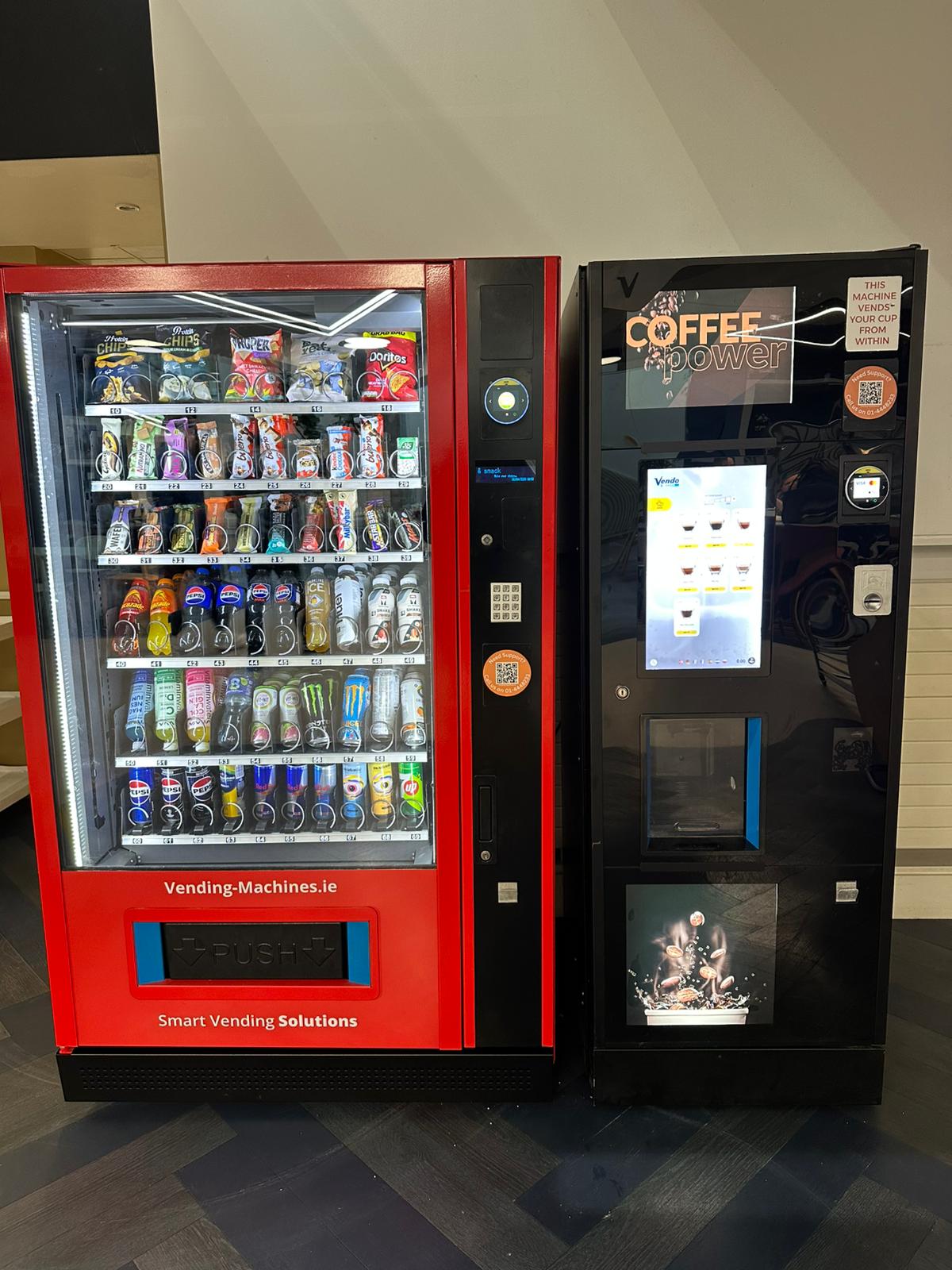
Health and safety laws focus on protecting consumers from contamination and unsafe food handling. Therefore, food vending machines must maintain proper temperature control for perishable items. Moreover, operators must ensure machines are cleaned regularly. In addition, safety checks help prevent electrical or mechanical hazards. Food vending machines must also follow food storage rules to avoid spoilage. For example, guidelines often require separate storage for hot and cold products. You can learn more about industry services at vending-machines.ie. As a result, operators can maintain safe and reliable machines for daily use.
Food Vending Machines Hygiene and Labeling Standards
Hygiene standards are critical for vending machines in all environments. Therefore, operators must clean surfaces, compartments, and dispensing areas frequently. Moreover, food items must be sealed and protected from contamination. In addition, labeling laws require clear ingredient lists and expiration dates. Vending machines must display allergen information to protect sensitive consumers. Furthermore, accurate labeling helps customers make safe choices. Consequently, maintaining hygiene and transparency builds trust and ensures legal compliance in all operating locations.
Location and Operational Regulations
Location laws determine where food vending machines can be placed. Therefore, operators must secure permission from property owners or local authorities. Moreover, some areas restrict vending near schools or healthcare facilities. In addition, zoning laws may limit machine placement in certain public spaces. Food vending machines must also follow operational rules regarding restocking and maintenance schedules. Consequently, operators must monitor machines regularly to ensure compliance. Furthermore, proper placement increases visibility and improves customer access while staying within legal boundaries.
Legal Responsibilities and Final Guidelines
Operators carry ongoing legal responsibility for their food vending machines. Therefore, they must ensure compliance with all health, safety, and licensing laws. Moreover, regular audits help maintain consistent standards and avoid penalties. In addition, keeping accurate records supports smooth inspections and renewals. Food vending machines must always operate under updated regulations to avoid legal issues. For reliable guidance and support, you can explore resources and services and contact us for more details. Ultimately, staying informed helps operators run safe, legal, and profitable vending operations.