Are Smart Machines Profitable in Areas With Low Foot Traffic?
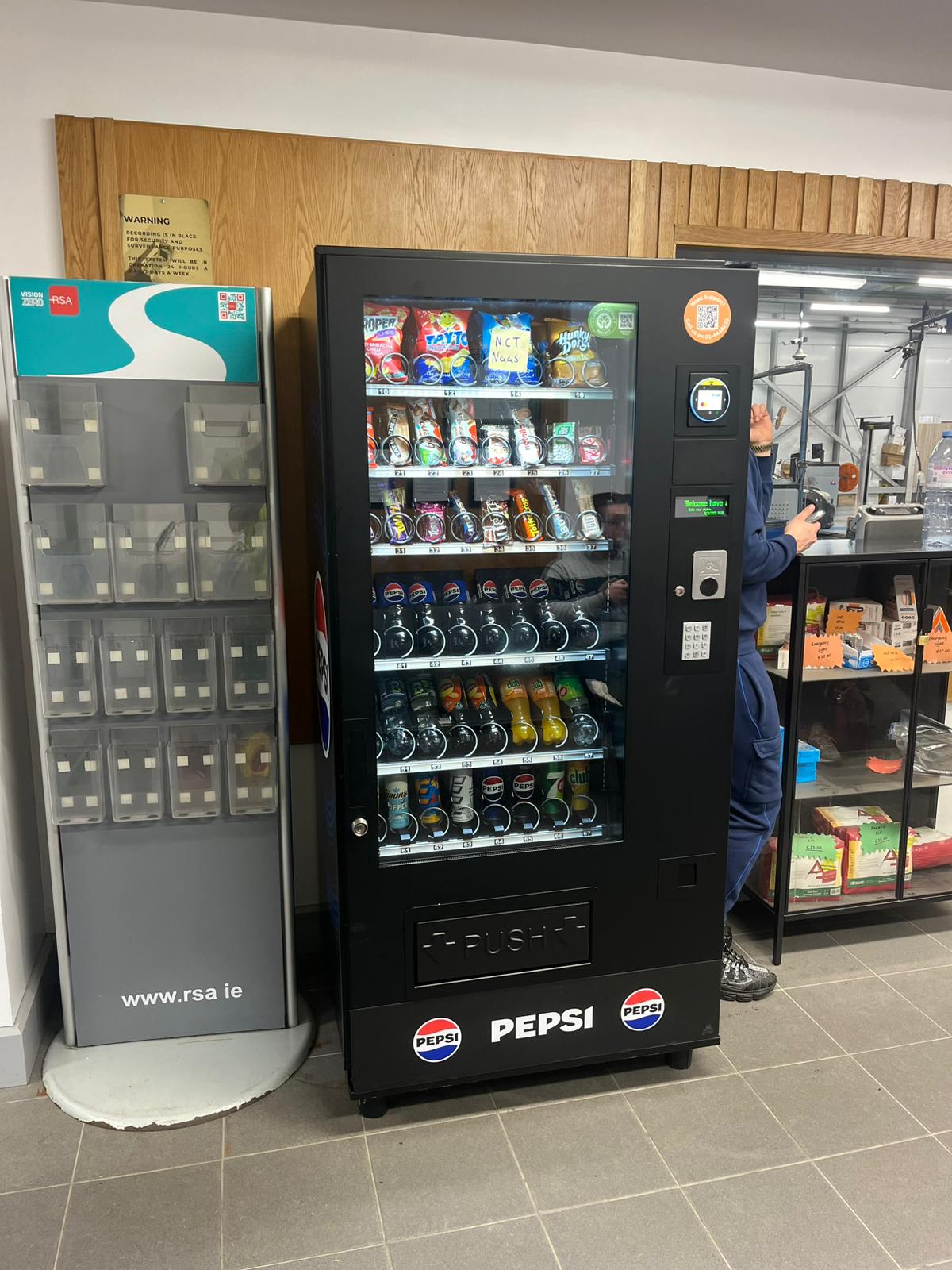
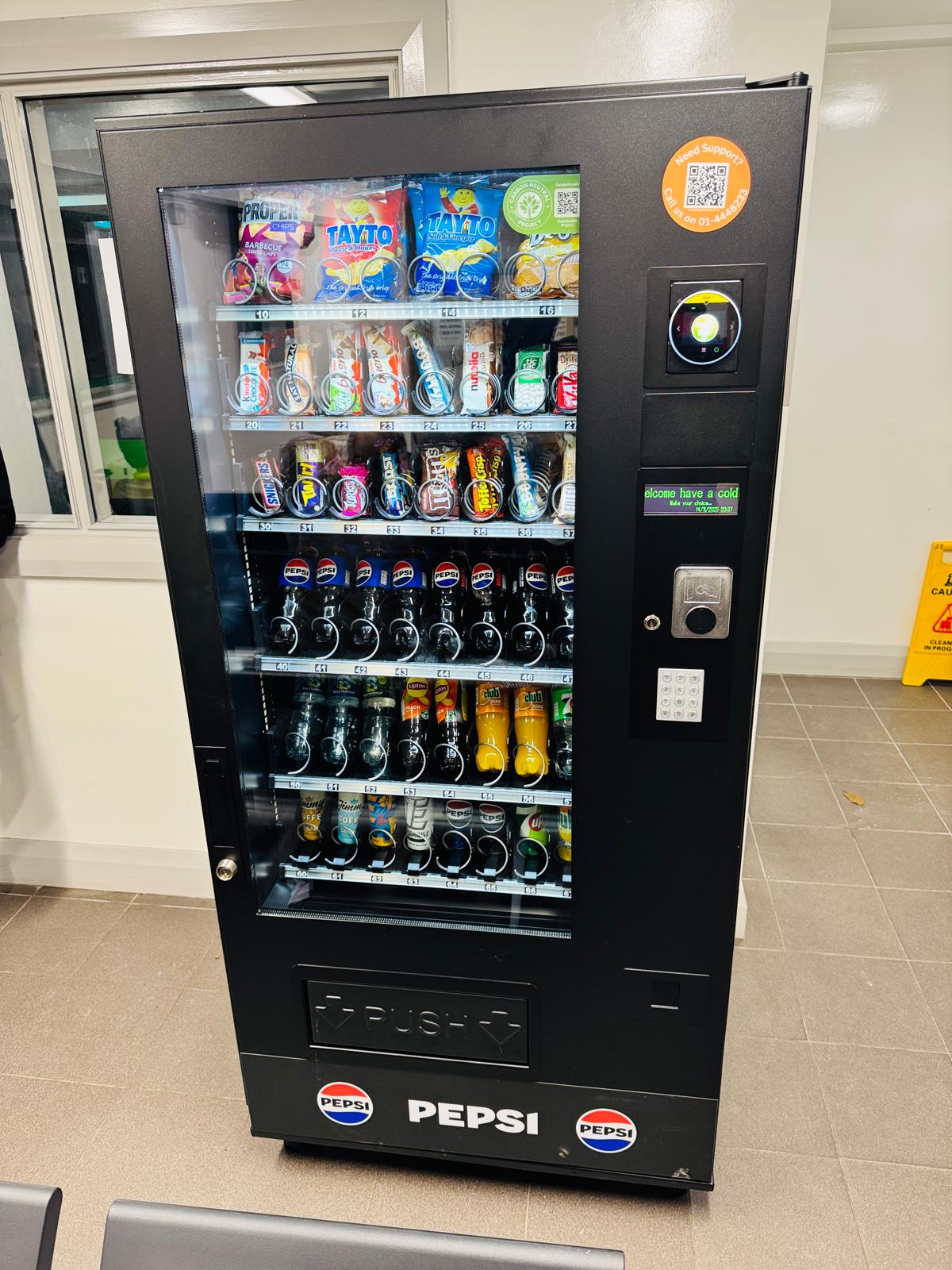
Smart vending machines are becoming increasingly popular due to their convenience, technology, and ability to offer a wide range of products. However, many operators wonder whether smart machines are profitable in areas with low foot traffic. Understanding the factors that influence sales in such locations can help you make informed decisions and maximize your return on investment.
Understanding Low Foot Traffic Locations
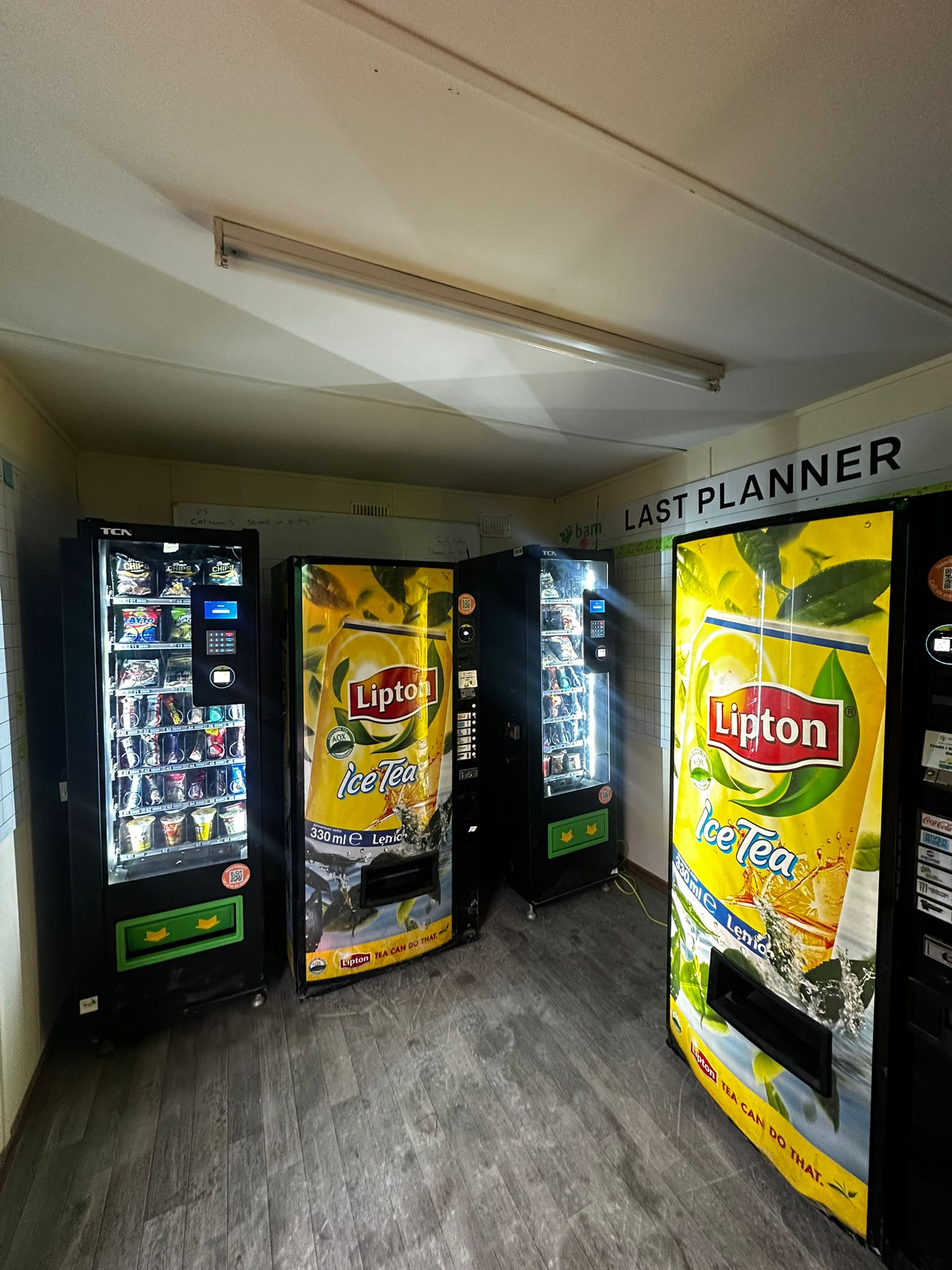
Low foot traffic refers to areas where the number of potential customers passing by a vending machine is relatively small. Examples include quiet office spaces, remote residential areas, or isolated corridors. While these locations naturally have fewer customers, they may still present profitable opportunities if managed strategically and if products are chosen carefully.
Advantages of Smart Machines in Low Foot Traffic Areas
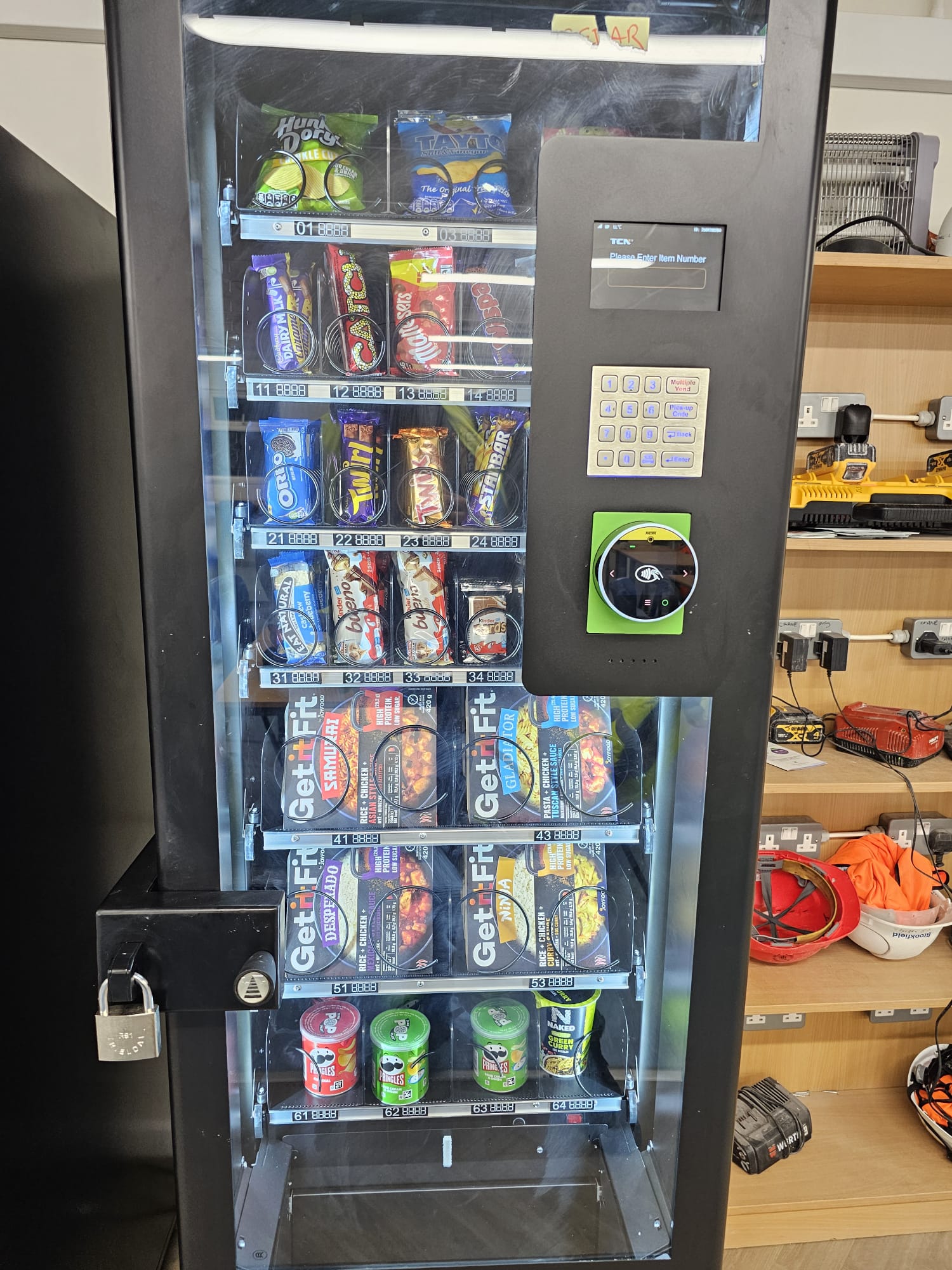
Even in low foot traffic areas, smart machines offer several advantages. They can store and track inventory automatically, process multiple payment methods, and display dynamic pricing or promotions. Additionally, smart machines can gather data on purchasing patterns, which allows operators to adjust product selections to match customer preferences more effectively, even when the number of visitors is limited.
Choosing the Right Products for Low Foot Traffic
Selecting the right products is critical when placing smart machines in low foot traffic areas. High-demand or impulse-buy items, such as snacks, beverages, or essentials, can perform better than niche products. Moreover, seasonal or rotating product options can encourage repeat visits, ensuring that even a small customer base remains engaged and continues to generate sales consistently.
Pricing Strategies for Low Foot Traffic Locations
Pricing plays a crucial role in profitability. In areas with low foot traffic, operators may need to focus on slightly higher profit margins per item to offset the lower volume of sales. Smart machines allow operators to test different pricing strategies and adjust in real time based on purchase behavior and inventory turnover. This flexibility helps maintain profitability even in quieter locations.
Monitoring Performance and Adjusting Strategy
Continuous monitoring is essential for smart machines in low foot traffic areas. Use built-in analytics to track sales, restocking frequency, and customer preferences. Operators can optimize product selection, pricing, and restocking schedules based on data insights. At vending-machines.ie, we leverage technology to monitor performance and make data-driven decisions, ensuring smart machines remain profitable regardless of foot traffic levels.
Cost Considerations and ROI
While smart machines often require a higher initial investment than traditional machines, they can still generate a positive ROI in low foot traffic areas. Reduced operational costs, fewer service visits, and automated inventory management contribute to long-term profitability. Careful planning, combined with smart placement and product selection, can make these machines a worthwhile investment even in quieter locations.
Conclusion
Smart machines can indeed be profitable in areas with low foot traffic if operators focus on strategic product selection, pricing, and continuous performance monitoring. By leveraging technology, collecting data, and adapting to customer behavior, operators can maintain consistent sales and optimize profitability. For guidance on setting up smart vending machines in low foot traffic areas or maximizing your ROI, contact us today for expert advice.