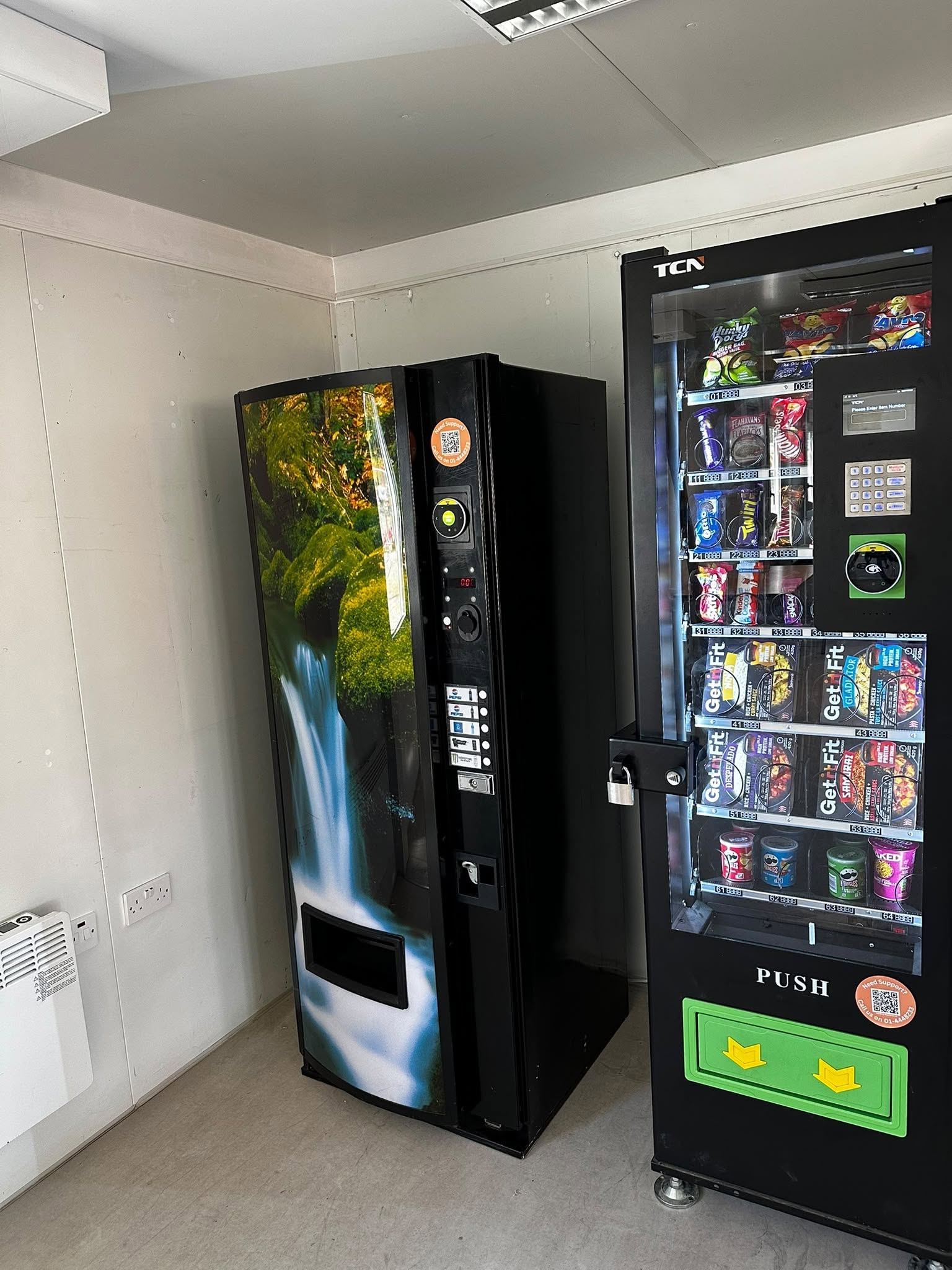
How Do I Calculate Healthy Vending Margins?
Understanding profitability is essential for every vending business. Setting the right prices while controlling costs helps operators build a sustainable business and remain competitive. Therefore, calculating healthy vending margins allows businesses to balance customer value with long term financial success. Moreover, reviewing margins regularly helps identify opportunities to improve performance and reduce unnecessary expenses. By monitoring costs and making informed pricing decisions, vending operators can increase profitability while continuing to provide quality products that customers appreciate. Additionally, regular financial reviews help businesses respond to changing costs, improve pricing strategies, and maintain consistent profits. As a result, operators can support long term business growth with greater confidence.

Why Vending Margins Matter
Healthy vending margins help businesses cover operating costs while generating consistent profits. Every product sold contributes to expenses such as inventory, transportation, maintenance, electricity, and machine servicing. Therefore, operators should understand how these costs affect pricing decisions. Furthermore, maintaining reasonable margins allows businesses to invest in better equipment and improved customer service. A balanced pricing strategy supports both customer satisfaction and long term business growth. Additionally, reviewing expenses regularly helps businesses identify opportunities to improve efficiency and reduce unnecessary costs. As a result, operators can make smarter pricing decisions while maintaining profitability and delivering greater value to customers over time.
Calculating Vending Margins Correctly
The first step is understanding the total cost of every product. Businesses should include the purchase price, delivery expenses, storage costs, and any additional operating expenses related to selling each item. After calculating the total cost, operators can compare it with the selling price to determine profitability. For additional guidance on modern vending solutions, visit vending-machines.ie. Regularly reviewing vending margins helps businesses identify products that perform well while recognizing items that may require pricing adjustments.
Factors That Affect Vending Margins
Several factors influence overall profitability. Rising supplier prices, fuel costs, utility expenses, and changing customer demand all affect business performance. Therefore, operators should monitor these costs regularly instead of relying on outdated pricing. Additionally, selecting products with steady demand helps maintain healthier margins. Reviewing sales reports also provides valuable insights into which products deserve more shelf space and which items may need replacement.
Improving Vending Margins Without Losing Customers
Increasing prices is not always the best solution. Instead, businesses can improve efficiency by reducing waste, optimizing inventory, and planning restocking routes carefully. Furthermore, offering popular products encourages faster inventory turnover and reduces expired stock. Attractive product displays and clean vending machines also improve customer satisfaction while supporting stronger sales. Consequently, businesses can improve vending margins through smarter operations instead of relying solely on higher prices.
Reviewing Vending Margins Regularly
Successful vending businesses treat profitability as an ongoing process rather than a one time calculation. Therefore, operators should review product costs, sales performance, and customer preferences throughout the year. Regular analysis helps businesses respond quickly to market changes while protecting profitability. Additionally, continuous monitoring supports better inventory decisions and long term financial stability. Contact us today to learn how modern vending solutions can help your business improve vending margins, increase operational efficiency, and support sustainable long term growth.