How Do Vending Machines Accommodate Dietary Needs?
Modern vending machines are no longer limited to standard snacks and sugary drinks. Instead, they are evolving to support a wider range of customer requirements. Therefore, addressing customer requirements has become an important part of vending planning and product selection. Moreover, operators now focus more on health conscious choices and transparent labeling. In addition, consumer awareness continues to grow across different markets. As a result, vending solutions must adapt quickly to meet changing expectations. Ultimately, supporting dietary needs improves customer trust and expands market reach.
Dietary Needs and Product Labeling Standards
Clear labeling plays a major role in supporting customer safety and choice. Therefore, vending machines display ingredient and allergen information. Moreover, this helps customers quickly identify suitable products for their dietary needs. In addition, transparent packaging builds confidence in product selection. As a result, users feel more secure when making purchases. Consequently, machines prioritizing dietary needs improve both safety and satisfaction.
Dietary Needs and Healthy Product Selection
Health focused options are now a key part of modern vending strategies. Therefore, operators carefully choose products that meet common dietary needs such as low sugar, gluten free, or vegan options. Moreover, this variety attracts a broader customer base. In addition, healthier choices support better eating habits in workplaces and public spaces. As a result, vending machines become more relevant to everyday consumers. Furthermore, vending-machines.ie highlights how vending solutions are adapting to modern demands. Consequently, offering diverse products improves long term performance.
Custom Vending Machine Configurations
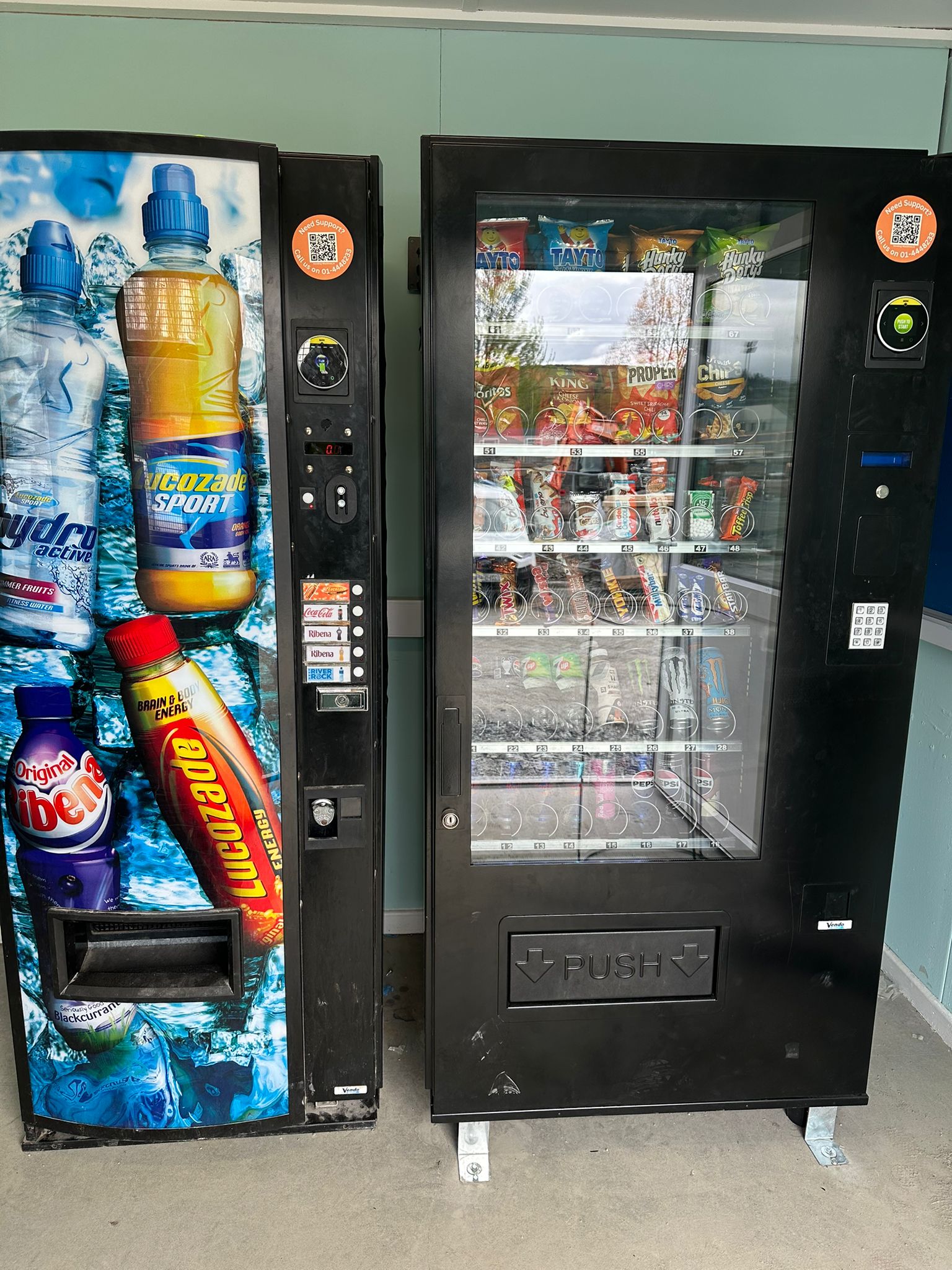
Machine configuration also influences how well dietary needs are supported. Therefore, operators design product layouts that separate standard and specialty items. Moreover, this organization helps customers find suitable options faster. In addition, clear sections reduce confusion during selection. As a result, purchasing becomes smoother and more efficient. Furthermore, thoughtful configurations allow operators to rotate stock based on demand. Consequently, machines stay aligned with changing dietary needs in different locations.
Dietary Needs and Technology Integration
Technology has significantly improved how vending machines handle dietary needs. Therefore, digital screens now display ingredient details and product filters. Moreover, smart systems allow users to search based on dietary preferences. In addition, real time inventory tracking ensures availability of suitable items. As a result, customers experience fewer disappointments. Consequently, technology makes it easier for operators to manage dietary needs effectively.
Consumer Awareness
Consumer awareness continues to shape vending machine development. Therefore, customers now expect machines to clearly support dietary needs without confusion. Moreover, demand for transparency has increased in recent years. In addition, social trends influence product selection and machine design. As a result, operators must continuously update offerings. Furthermore, user feedback helps improve future product ranges. Consequently, meeting dietary needs becomes an ongoing process rather than a one time adjustment.
Dietary Needs and Market Adaptation
Adapting to different environments is essential for long term success. Therefore, operators adjust machines based on local dietary needs and preferences. Moreover, workplace locations may require healthier choices compared to public areas. In addition, schools and gyms often demand specialized product selections. As a result, customization improves customer satisfaction. Furthermore, flexible planning helps operators stay competitive in changing markets. Consequently, dietary needs become a central factor in vending strategy.
Conclusion
Overall, supporting dietary needs is now a key part of modern vending success. Therefore, operators must combine labeling, product selection, and technology to meet expectations. Moreover, continuous improvement ensures machines remain relevant and user friendly. As a result, businesses build stronger customer relationships and improve long term performance. Contact us for more information and support.