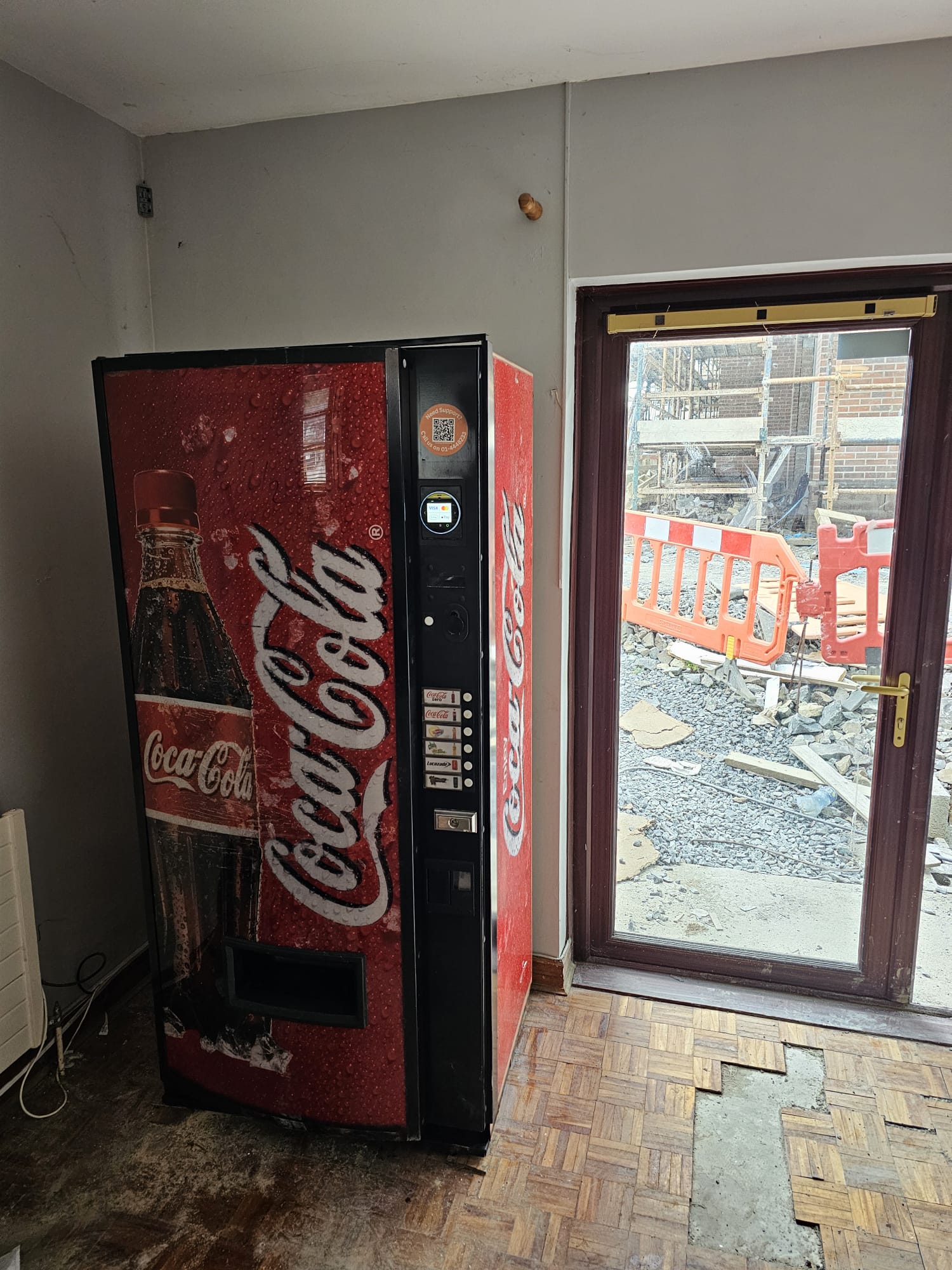
How Do Vending Machines Fit Cultural Preferences?
Vending machines now serve diverse users across many regions, so cultural preferences play a key role in shaping what people expect. Moreover, operators must understand local habits to design better product selections. When businesses study preferences, they can avoid poor product choices and improve acceptance. In addition, this approach helps build stronger user trust. Therefore, cultural preferences become a foundation for effective vending planning in any market. Furthermore, businesses can increase customer satisfaction by aligning products with local tastes and needs. This also helps reduce waste and improves sales performance. As a result, vending operations become more efficient and adaptable in different regions.
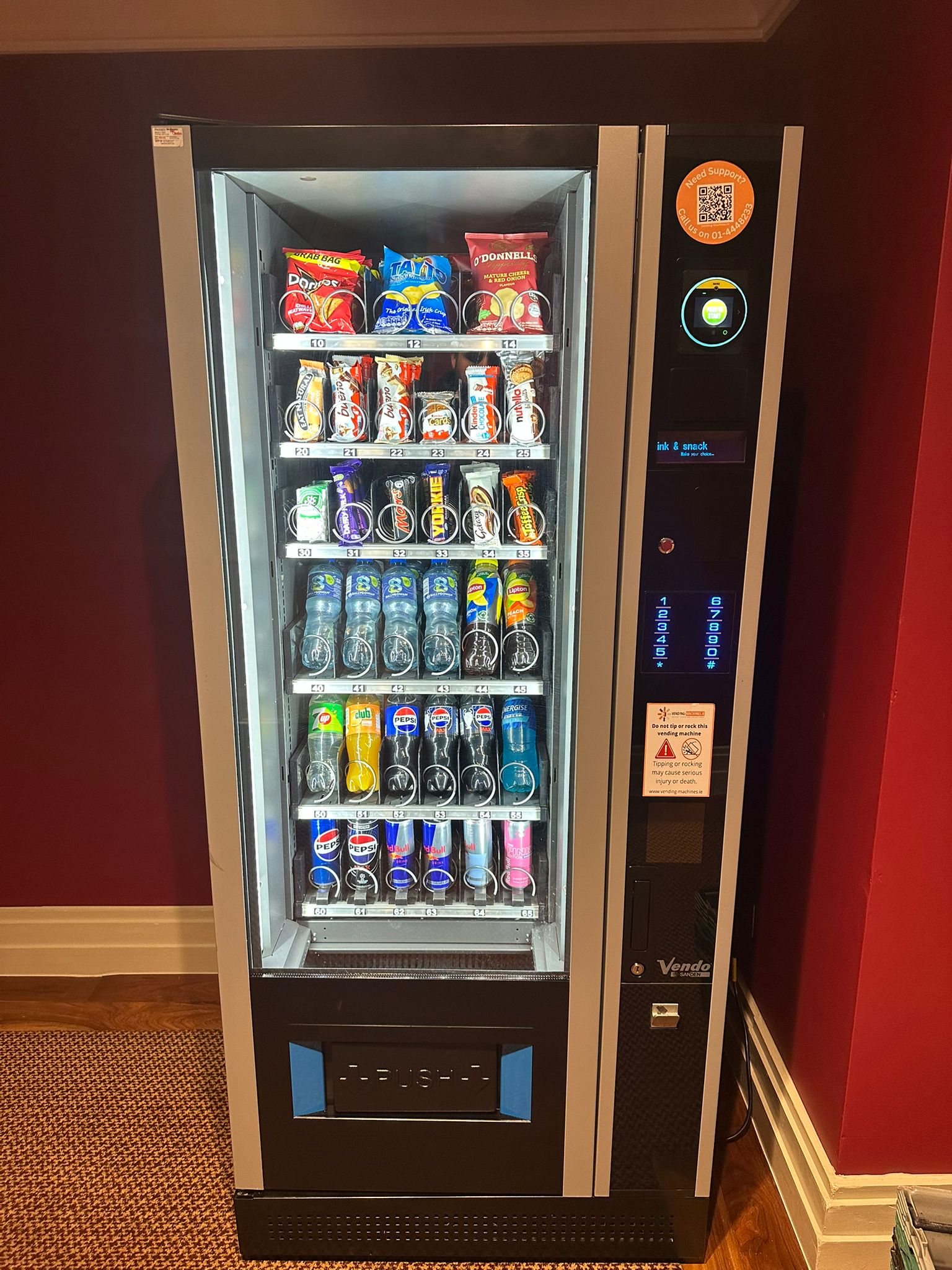
Food and drink choices shaped by cultural preferences
Food and drink selection is one of the clearest areas influenced by cultural preferences. For example, some regions prefer hot beverages, while others prefer cold drinks and snacks. Moreover, dietary rules also guide product selection in many communities. As a result, vending operators must carefully align stock with cultural preferences to stay relevant. In addition, understanding these needs helps reduce waste and improve sales performance. Therefore, cultural preferences directly impact product success in vending environments.
Product design and placement strategies
Product design and placement also affect how users interact with vending machines. Moreover, visibility and accessibility can influence buying behavior in different cultural settings. In addition, operators must consider how customers approach machines in public and private spaces. This helps improve engagement and overall satisfaction. Furthermore, careful placement ensures machines match local expectations and behavior patterns. As a result, businesses can create a more comfortable and familiar experience for users across different regions.
Technology and adaptation to cultural preferences
Modern vending systems now use technology to better adapt to cultural preferences. For instance, smart inventory systems help operators track buying patterns in real time. Moreover, digital payment options make machines more accessible to different user groups. As a result, businesses can quickly adjust product offerings when cultural preferences shift. In addition, automation reduces errors and improves efficiency. You can learn more about vending solutions at vending-machines.ie. Therefore, technology plays a strong role in aligning vending operations with cultural expectations.
Business strategy for cultural preferences in vending machines
A strong business strategy must include cultural preferences from the beginning. Moreover, this ensures that machines remain relevant in different markets. In addition, companies that study cultural preferences can expand more effectively into new regions. As a result, they reduce risk and improve long term success. Furthermore, understanding local behavior helps operators build stronger customer relationships. Therefore, cultural preferences should always guide decision making in vending business planning. Additionally, this approach supports better product selection and improves customer satisfaction. It also helps businesses adapt quickly to changing demands. Ultimately, it creates a more efficient and sustainable vending operation across different locations.
Conclusion and future outlook
Vending machines continue to evolve as customer expectations change across regions. Moreover, businesses must adapt quickly to remain competitive in diverse markets. In addition, understanding cultural preferences helps improve product selection, design, and service quality. As a result, operators can build more efficient and user friendly systems. Therefore, cultural preferences will continue to shape the future of vending machines in global markets. Contact us to explore how better vending strategies can support your business growth.