
How Should Vending Machines Balance Margin and Demand?
Managing a vending machine requires more than choosing products with the highest profit margin. Operators must also understand what customers want to buy. Therefore, finding the right vending machine balance between margin and demand can improve revenue while keeping customers satisfied. A strong product mix should include profitable items while meeting customer expectations. In addition, operators should review sales data, customer preferences, pricing, and inventory levels regularly. This information can help identify popular products and improve stocking decisions. By adjusting the product mix based on demand, businesses can reduce waste, increase sales, and create a better customer experience while maintaining sustainable profitability over time.
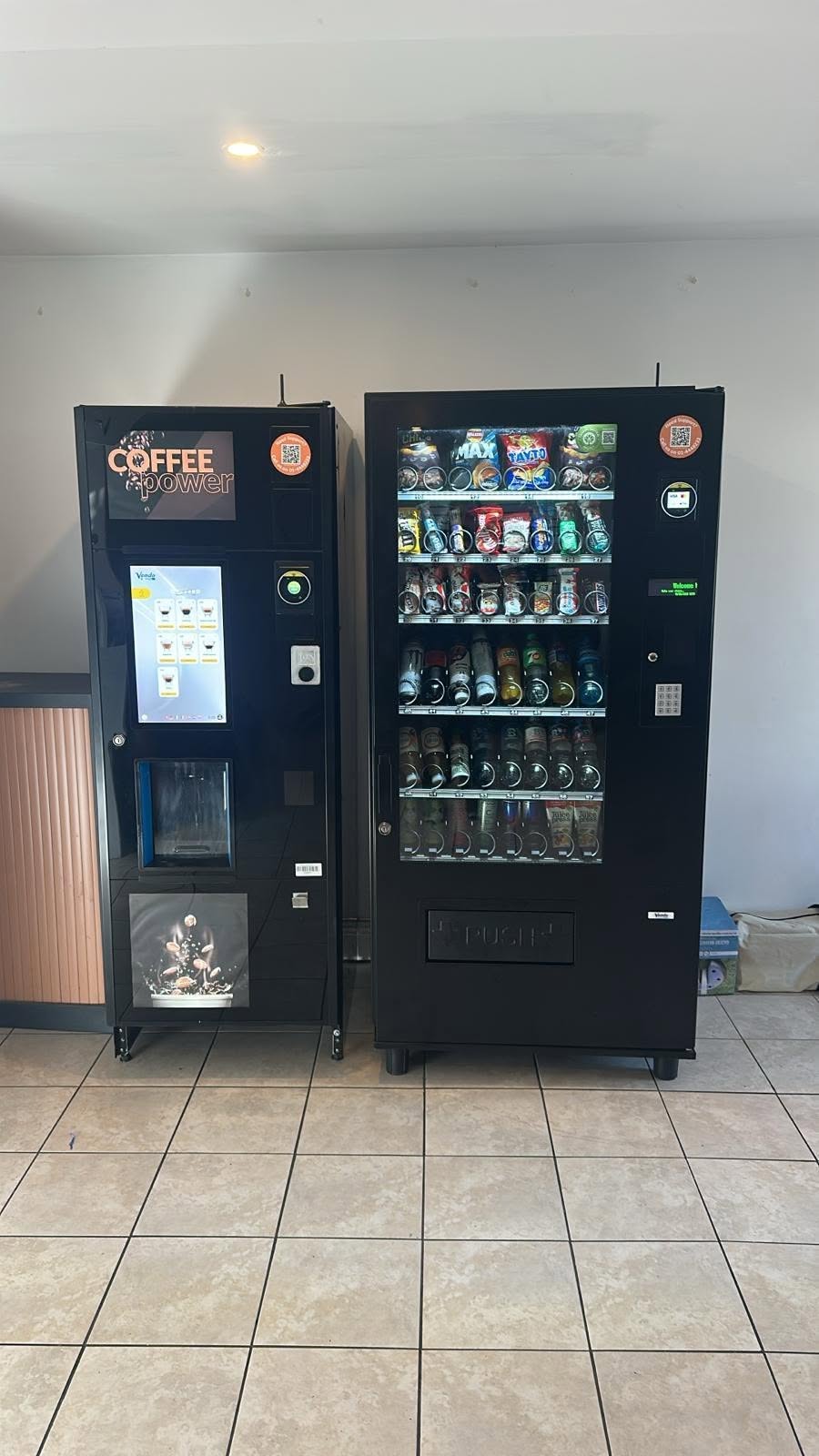
Why Does Vending Machine Balance Matter?
A machine filled with high margin products may generate disappointing sales if customers do not want them. Conversely, popular products may produce limited returns if their margins remain too low. Therefore, operators need to consider both factors when planning inventory. By reviewing sales data and product performance, businesses can create a better vending machine balance and make more informed stocking decisions.
Build a Profitable Product Mix
A balanced product mix should include different types of products and price points. For instance, operators can offer popular everyday products alongside items with stronger margins. This approach gives customers more choices while supporting overall revenue. Furthermore, operators can test new products in small quantities before giving them more machine space. For businesses exploring vending equipment and solutions, vending-machines.ie provides useful information about available options. However, product selection should always reflect the machine’s location, customer preferences, and operating costs.
Use Data to Improve Vending Machine Balance
Sales data can provide valuable insights into customer behavior. Operators can track units sold, revenue, product margins, and inventory turnover. Then, they can compare these figures to identify the strongest performers. If a product sells quickly but generates a small margin, it may still deserve space because it attracts regular customers. Meanwhile, products with high margins but weak sales may need a different price or position. Operators can also remove consistently poor performers. Consequently, regular data analysis helps maintain a practical vending machine balance between customer demand and profitability.
Adjust Stock Based on Customer Behavior
Customer preferences can change over time. Seasonal events, weather, local activities, and changing routines can all influence vending sales. Therefore, operators should avoid using the same product mix throughout the year without reviewing performance. For example, cold drinks may sell faster during warmer months, while hot beverages may become more popular during colder periods. Regular inventory reviews can help operators respond to these changes. In addition, customer feedback can reveal products that sales data may not fully explain. By combining both sources, businesses can make more effective stocking decisions.
Improve Long Term Profitability
Maintaining the right balance requires ongoing testing and adjustment. Operators should review sales, margins, stock levels, and customer preferences regularly. Furthermore, they should monitor waste and products that remain unsold for long periods. This process can help free valuable machine space for better performing products. A successful vending operation does not depend on maximum margin from every item. Instead, it depends on creating a product mix that customers value while supporting sustainable returns. With careful analysis, flexible pricing, and regular inventory adjustments, operators can achieve a stronger vending machine balance. If you want to explore vending solutions for your business, contact us today.
Related Posts
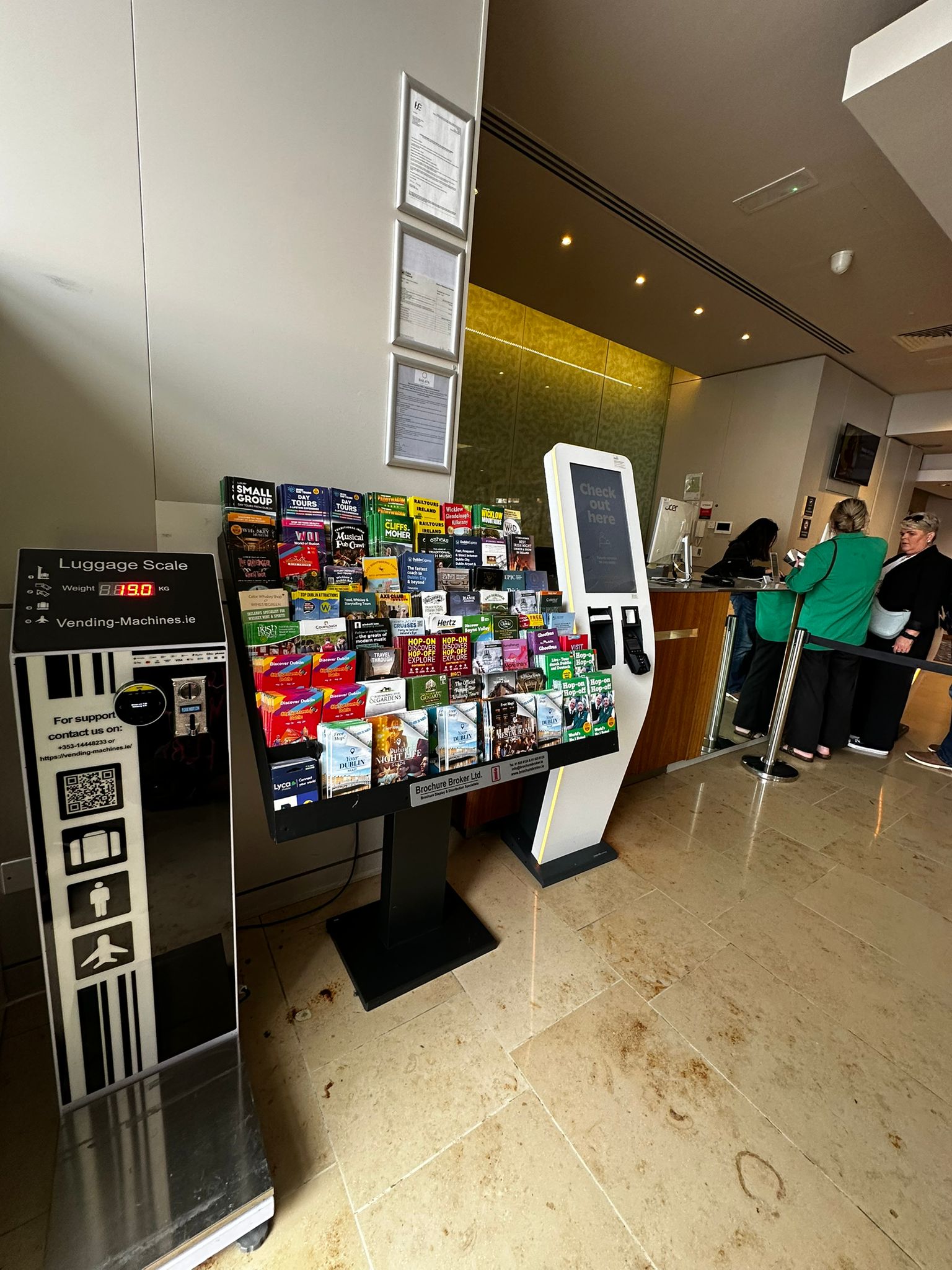 How Frequently Should Vending Machines Be Sanitized and Cleaned?
Vending machine cleaning plays a key role in maintaining hygiene and customer trust. People use…
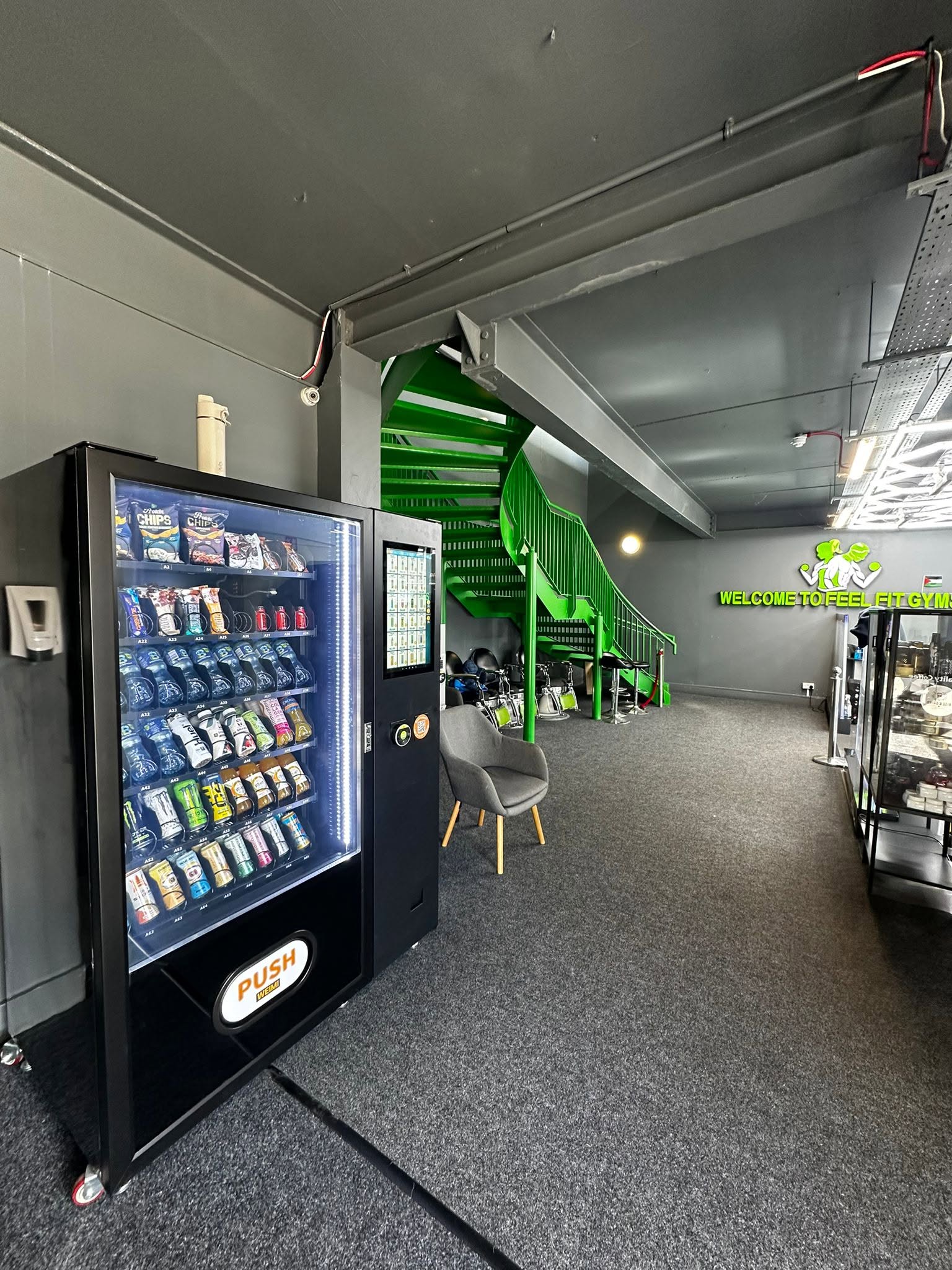 Are Robots and Vending Machines Converging?
Vending machines have changed a lot in recent years. In the past, they simply stored…
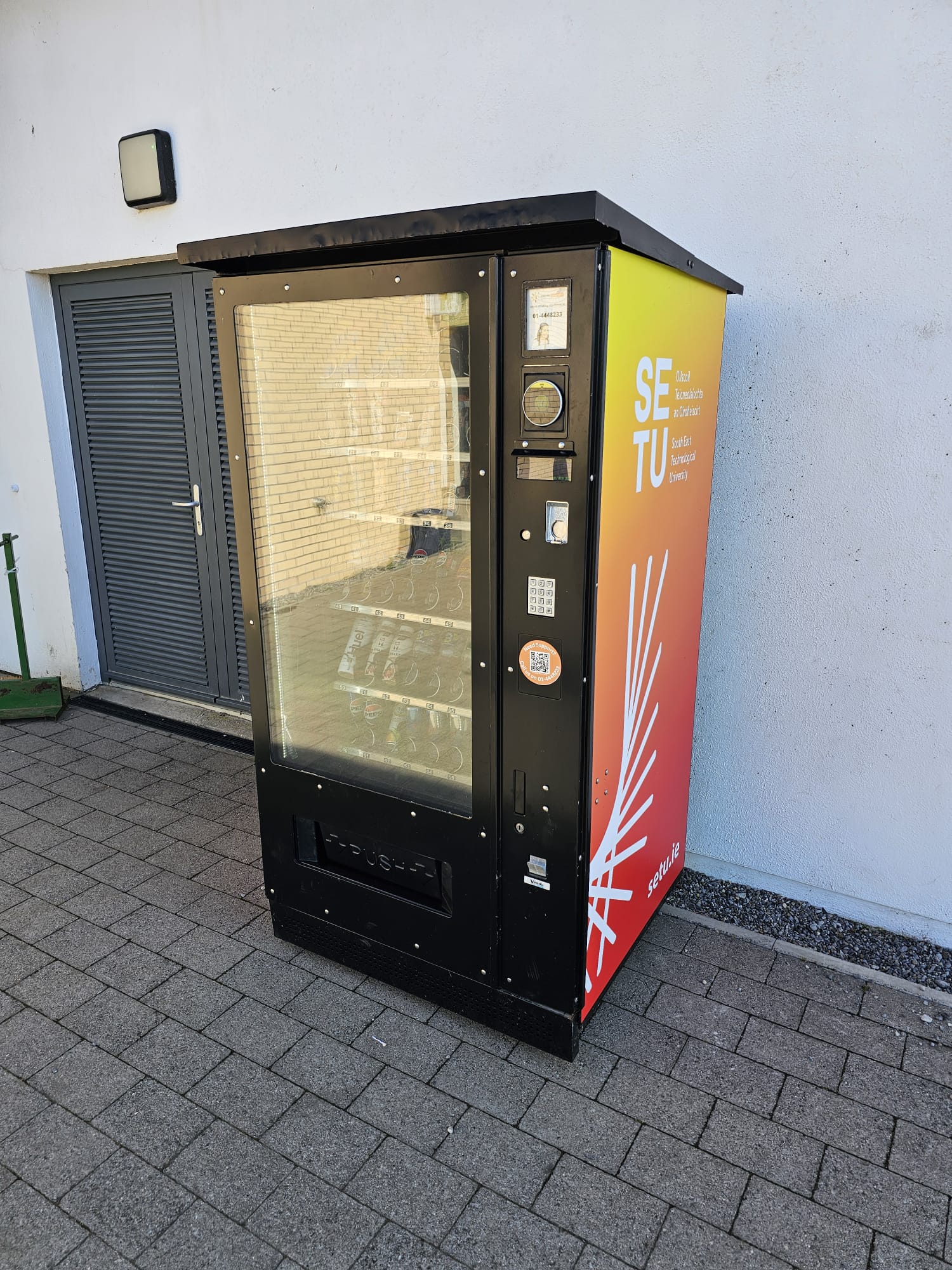 What Differentiates Traditional and Modern Vending Machines?
Vending machines have changed a lot over the years. While traditional models focused on simple…