Micro-Market Basket Abandoned Before Payment: Ask Staff Before Returning Food to Display
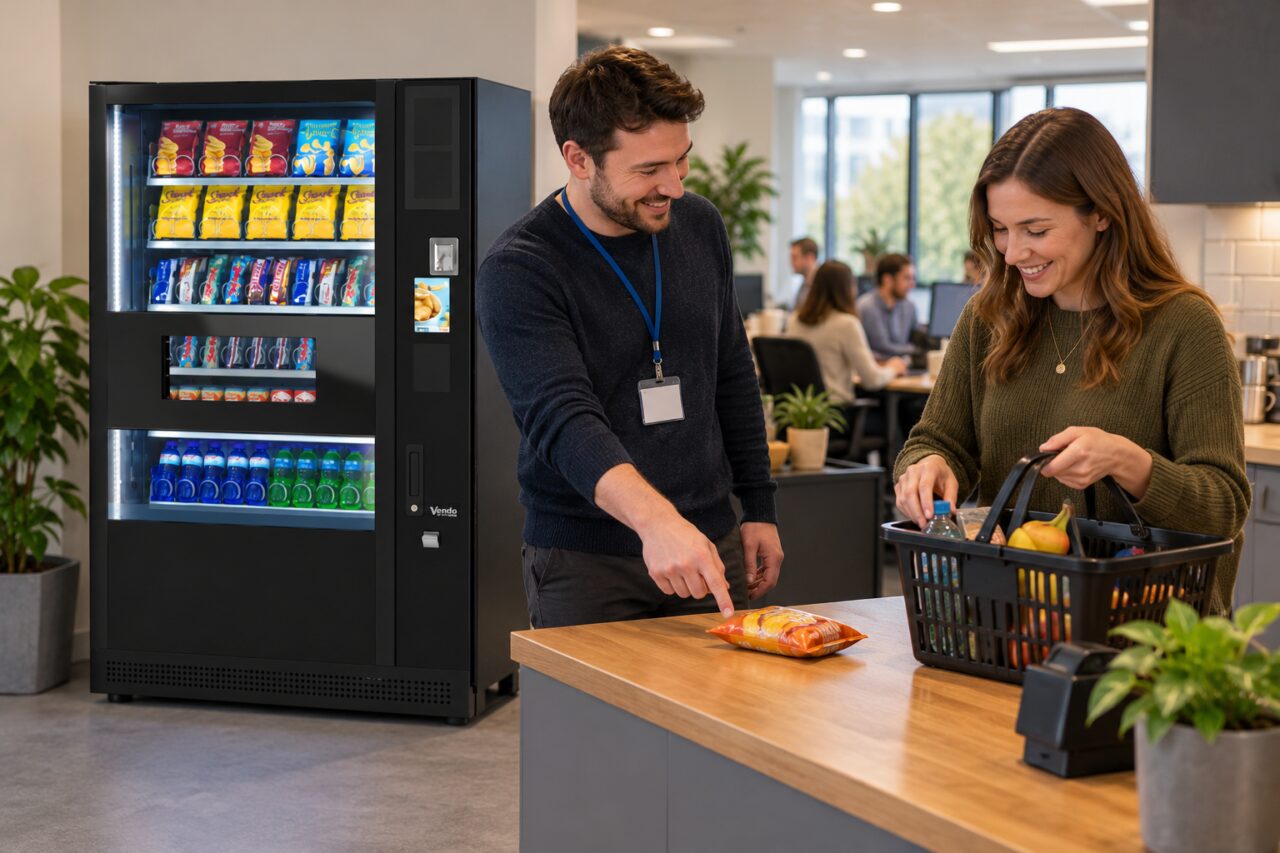
An unattended basket in a workplace micro-market can leave staff unsure whether its contents were paid for, briefly set down or abandoned. Do not assume the food can simply be returned to display. Tell the responsible host and let them follow the site’s procedure for the items and any checkout query.
Start by noting where the basket was found and when it was first noticed. If the customer is nearby, the host can ask whether they still intend to use it. Avoid an accusation or a public announcement that assumes theft or non-payment. The visible basket does not establish what happened at checkout.
Separate the food question from the payment question
The host may need to establish both whether a transaction was completed and whether the products are suitable to return to sale. These are different checks. A cancelled basket on a checkout screen does not establish the storage history of the physical items, and a paid purchase should not automatically be put back into stock.
Use the operator’s approved process to investigate any transaction, with only the information needed. Do not ask another customer to inspect someone else’s payment details. If the original purchaser returns, direct them to the host so that the basket and the checkout record can be discussed together rather than creating a second sale by mistake.
Keep uncertain items out of ordinary display
Staff should follow the site’s food-handling procedure for products whose handling history is uncertain. This is particularly important where storage conditions matter. Do not rely on appearance, touch or a guess about how long the basket has been there to decide that an item is suitable to sell again. The responsible food business must make that assessment.
Keep any affected items identified while the host seeks guidance, using the site’s designated process rather than placing them casually beside saleable stock. Retain relevant pack information. Do not taste food to assess it, replace a damaged label or move products between packs. Those actions can remove information needed for a proper decision.
Make responsibility clear at a mixed site
A workplace may have both open micro-market shelves and a separate vending machine. Make sure staff know which operator handles the basket and which handles a vending purchase. The nearby machine should not become an informal storage point for unattended goods, nor should its support route be assumed to cover every retail service in the room.
When comparing micro-markets and traditional vending, discuss everyday host responsibilities as well as the customer experience. An open retail area needs clear arrangements for unattended baskets and product queries. Ask the actual operator how those situations are handled, rather than assuming the procedures are identical to a closed vending cabinet.
Record the outcome without inventing sales
Once the host has resolved the issue, record the appropriate outcome under the site’s procedure. If goods are removed from sale, do not record them as customer purchases merely to make a stock count balance. If a completed purchase is identified, keep the customer query linked to that transaction and follow the operator’s instructions.
Review repeated abandoned baskets for a practical cause, such as unclear checkout guidance or customers being interrupted before payment. Address the observed problem without drawing conclusions about intent. A clear host contact and a consistent process help customers finish purchases and help staff protect the integrity of stock, payment records and the food offered for sale.
The FSAI food safety training guide calls for a procedure for returns and designated areas for food unsuitable for sale. Apply the site’s approved procedure rather than making an informal decision at the counter.
Related guidance: A Micro-Market Basket Is Cancelled Before Payment: Check That the Sale Was Not Completed.
For help assessing your site, contact Vending-Machines.ie.