Micro-Market Opening Hours Differ from Building Access: Make the Buying Window Clear
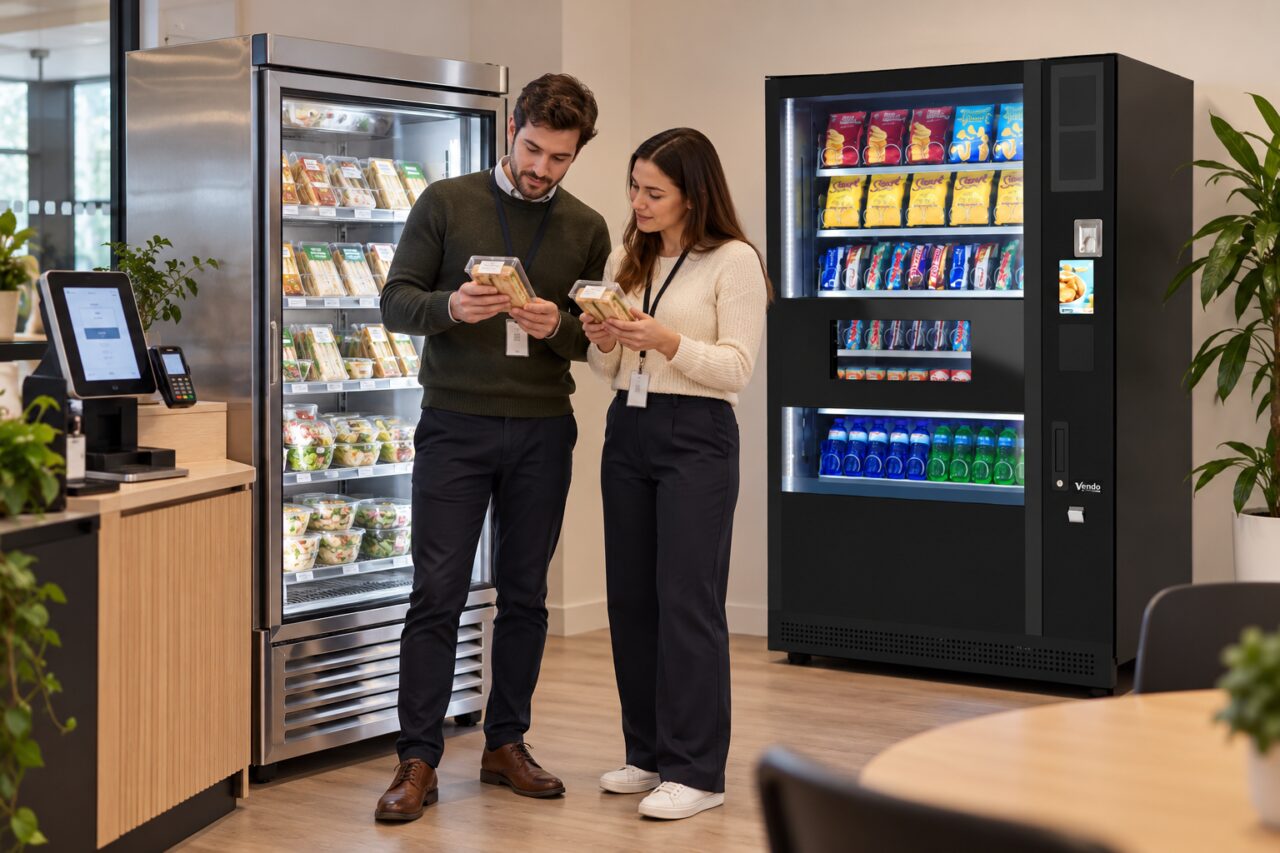
Being able to enter an office building does not necessarily mean every refreshment service is open. A micro-market may have an agreed buying window that differs from reception hours or staff access. Make that distinction clear before launch so early arrivals and late workers know what they can use and where to ask for help.
Confirm the actual arrangement with the market operator and site team. Do not infer opening hours from the lights being on, products being visible or a checkout screen being powered. The equipment and service model determine what is available; a general description of micro-markets cannot establish the rules for a particular location.
Define the buying window precisely
Agree the hours during which customers may select and pay for products, along with any different arrangements for weekends or site closures. Identify whether access restrictions, staffing or operating procedures affect those hours. Keep the explanation practical, with a clear contact for questions rather than a vague statement that the market follows office hours.
If hours vary by day, show that variation plainly. Do not assume everybody knows reception’s schedule or the building’s holiday arrangements. When considering a micro-market alongside traditional vending, ask how the proposed setup will serve people whose working hours differ from the main daytime population.
Distinguish shopping from other activity
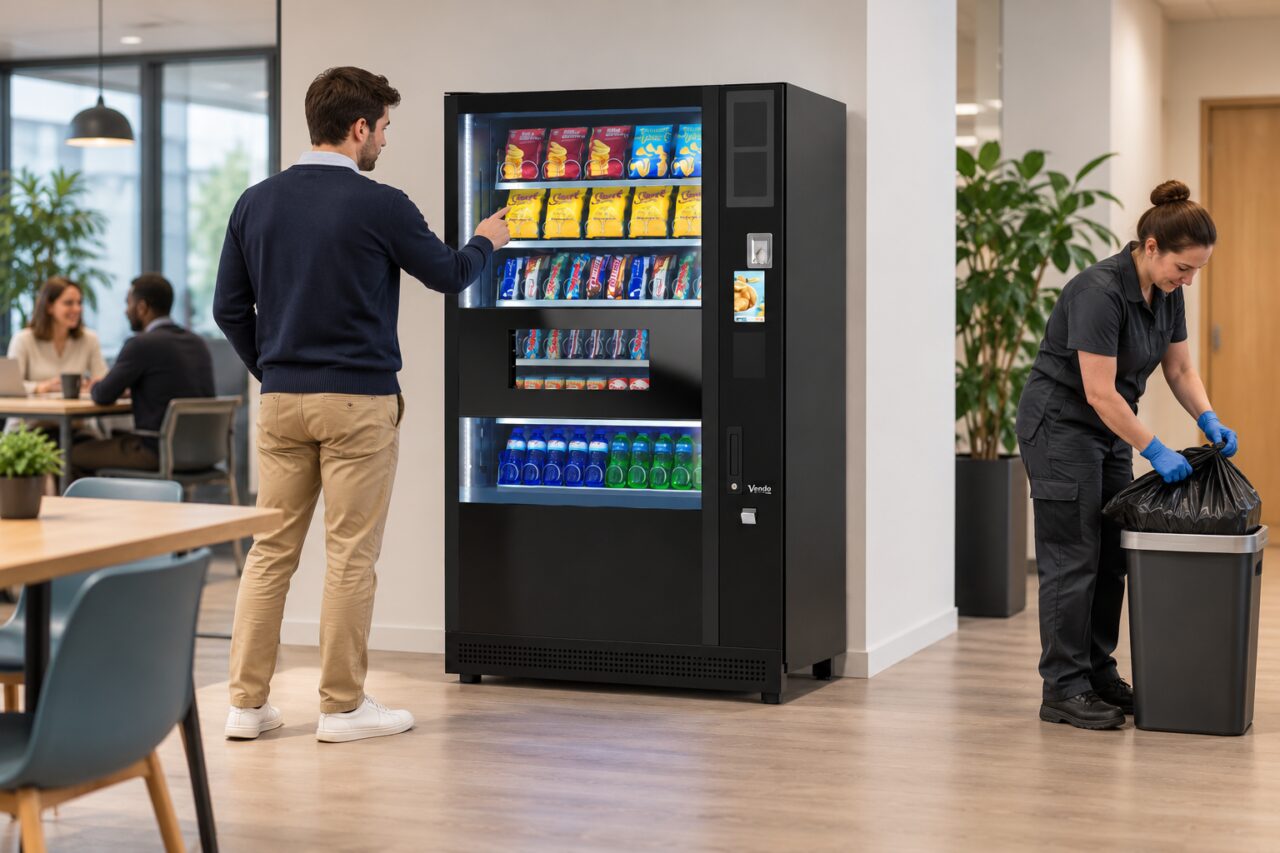
The area may be occupied by staff restocking or cleaning outside the buying window. Explain whether customers should wait or use an alternative, rather than treating the presence of an operator as an invitation to shop. Only the responsible operator should decide when the service is ready for customer use.
Similarly, visible goods should not imply permission to take products and pay later. If shopping is unavailable, provide clear guidance before customers select items. The site should agree any physical access or signage arrangements with the operator. Avoid improvised barriers or notices that create a separate access problem around nearby vending equipment.
Explain the alternative accurately
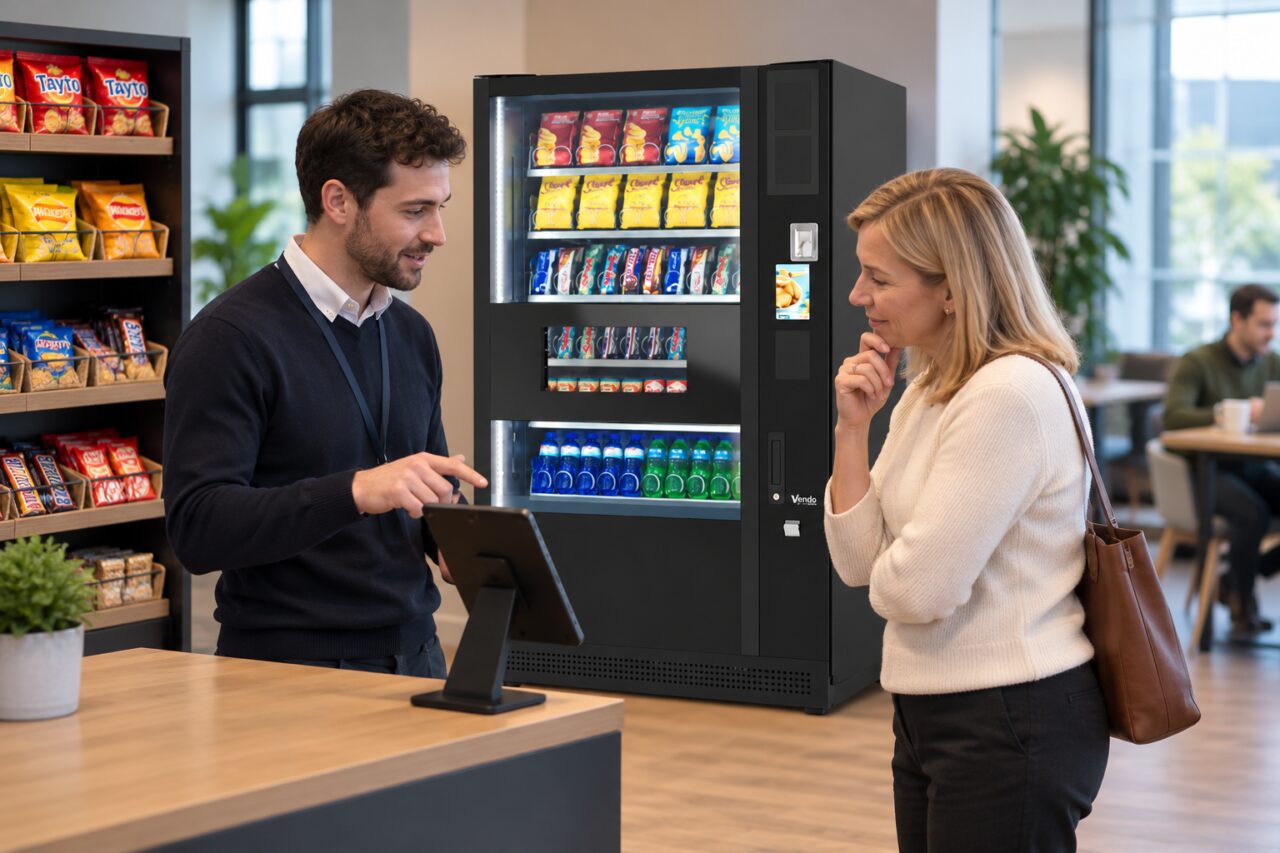
If a vending machine remains available when the market is closed, confirm its own access and service arrangements before advertising it as an alternative. The products, prices and payment journey may differ. Explain those differences without promising that every market item is also stocked in the machine or that all staff benefits apply equally.
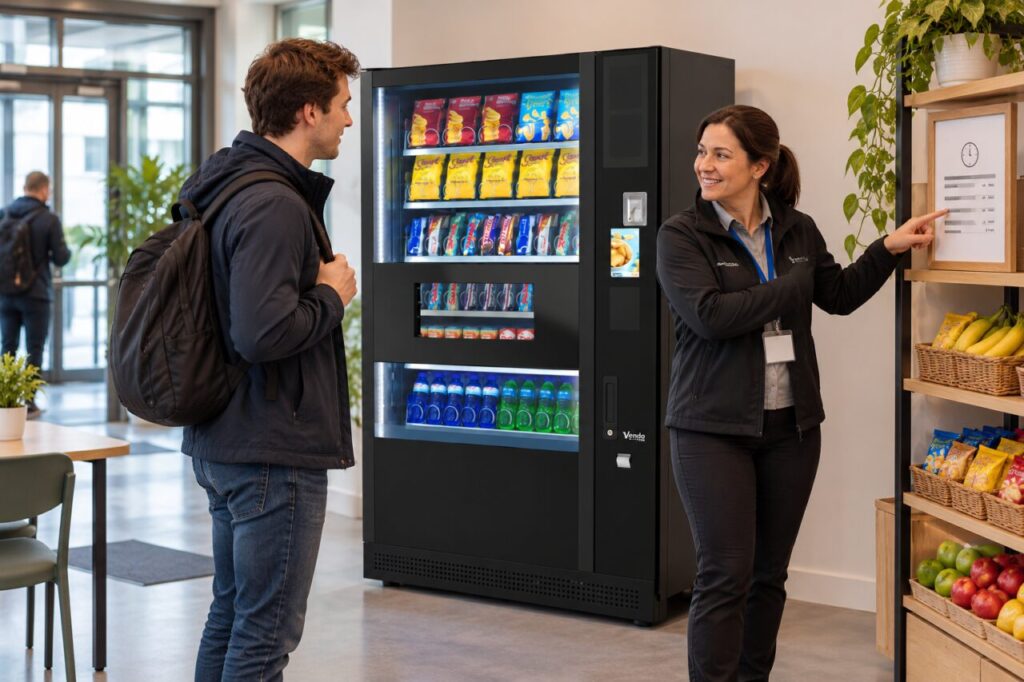
For customers arriving outside the market’s hours, the useful message is what can be used now and when the other service opens. Keep that information near the decision point and in relevant workplace communications. A notice inside a closed area is less helpful than guidance that people can see before they start shopping.
Review hours when the workplace changes
New shifts, extended opening or regular evening meetings may reveal demand outside the original buying window. Gather actual feedback and attendance information, then discuss options with the operator. Do not extend the advertised hours until the necessary access, support and operational arrangements have been confirmed for the proposed change.
After any revision, update all notices together and tell the staff who answer customer questions. Include the effective date and remove obsolete versions. Check the experience at the start and end of the stated window, not only at lunchtime. Clear hours help customers plan refreshments and keep the site’s promises aligned with the service actually provided.
Related guidance: Launching a Micro Market Beside Vending: Explain the Two Purchase Journeys.
For help assessing your site, contact Vending-Machines.ie.