Personal Lunches Beside a Micro-Market: Keep Staff Food Separate from Items for Sale
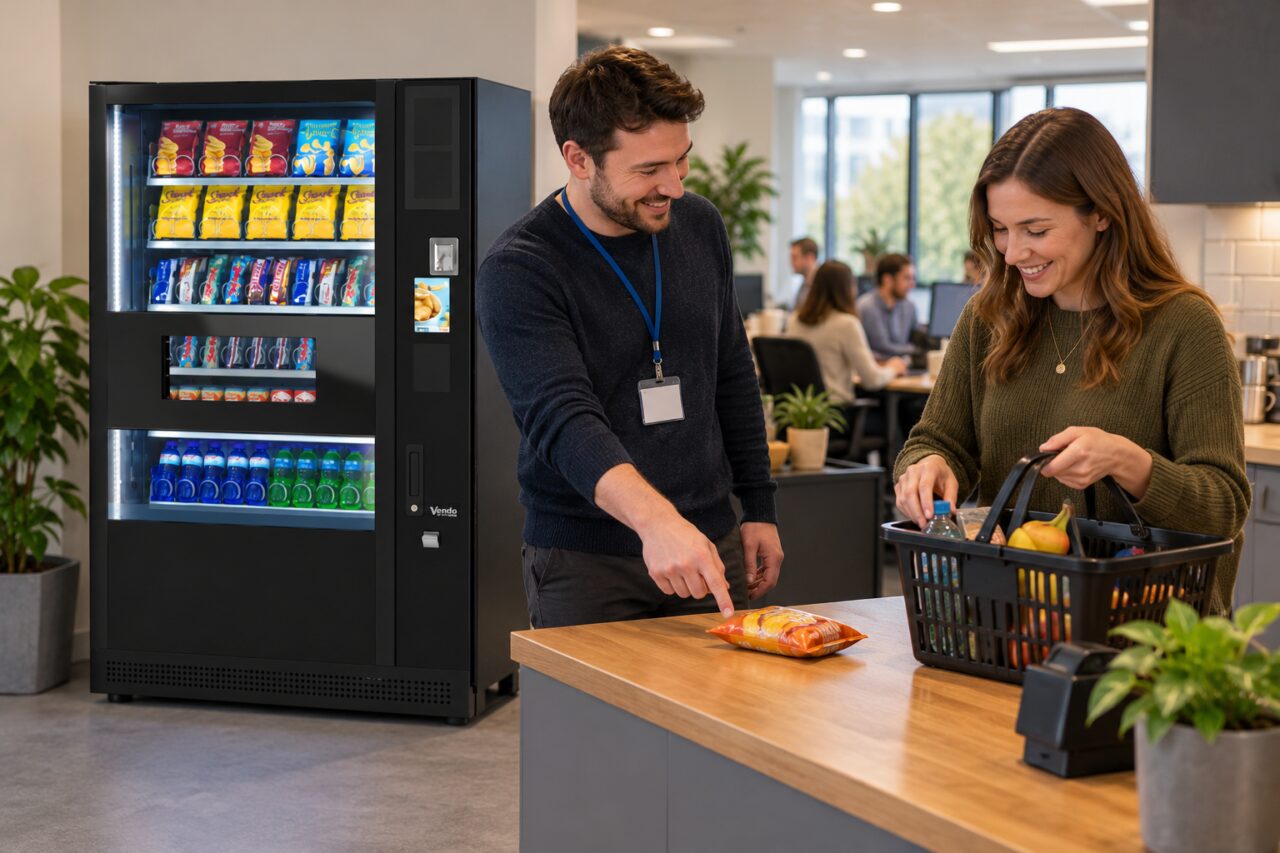
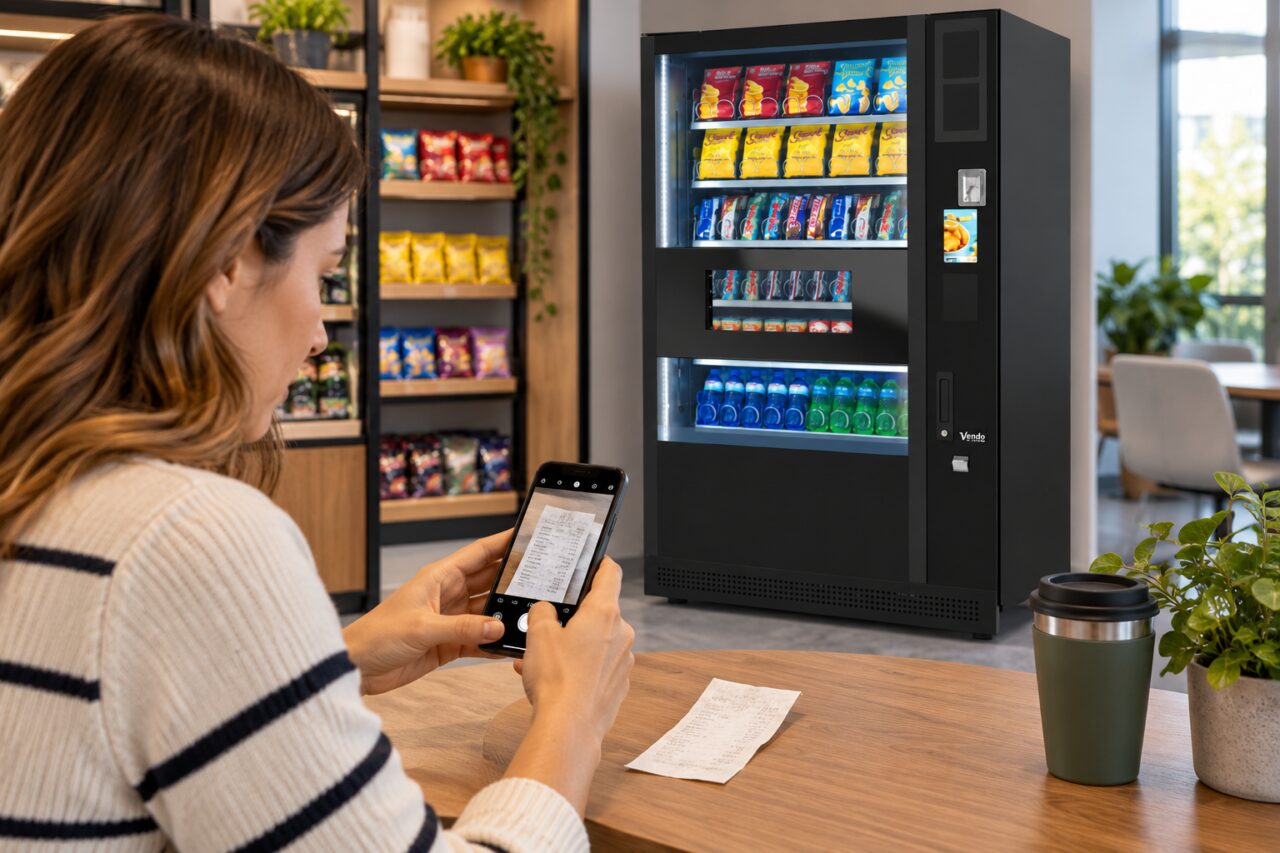
A workplace refreshment room may contain a micro-market, a vending machine and staff lunches brought from home. Make the boundary between personal food and items for sale clear. Customers should not need to guess whether an unpriced sandwich, a reusable lunchbox or a loose drink belongs to a colleague or the retail range.
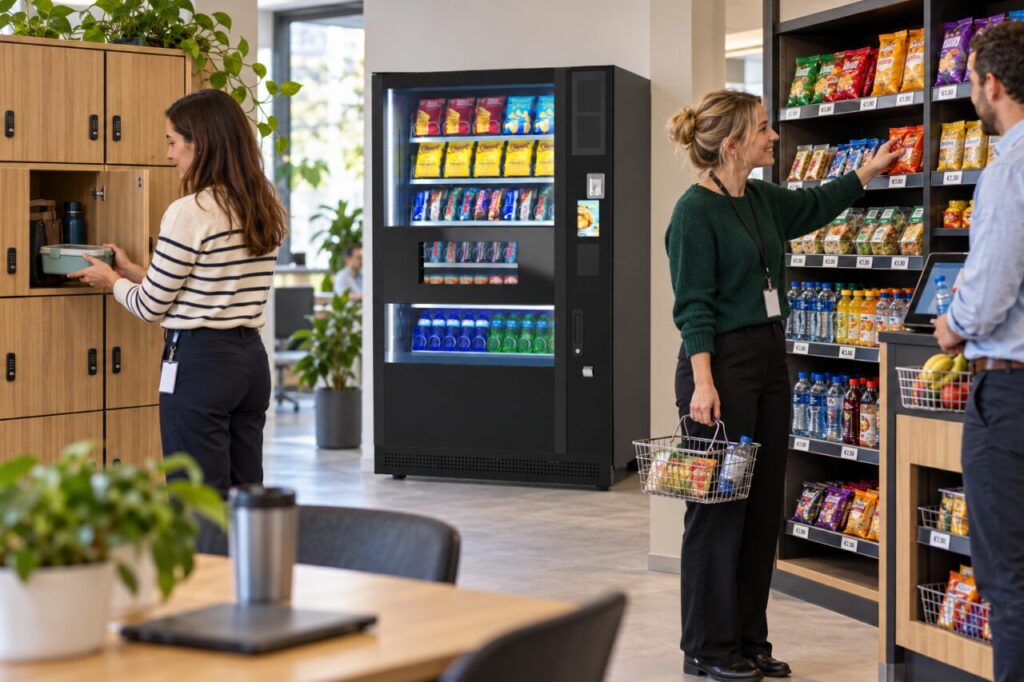
The solution begins with a site arrangement agreed by the workplace and operator. Do not place personal food in the retail display as an informal convenience. Separate storage, clear signs and a known contact for uncertain items help avoid mistaken purchases and unnecessary handling of someone else’s lunch.
Identify the different storage areas
Walk through the room as a first-time user. Identify the retail shelves, any retail refrigeration, the vending cabinet and the staff-food storage. Check whether each area has a clear purpose and whether a visitor could confuse them. A shelf beside a checkout may appear to be retail stock even when staff have begun using it for their own bags.
Agree a distinct place for personal food that meets the site’s arrangements and the food’s storage needs. Do not infer that an open cubby is suitable for every lunch or that a retail refrigerator can automatically become shared staff storage. The responsible site team and operator should decide the arrangement before signs are printed.
Explain the boundary in plain language
Use concise wording such as personal staff food and items for sale, where appropriate to the actual layout. Place the explanation at the relevant area rather than relying on a long email sent only to existing employees. Make the meaning clear without depending on colour alone or assuming everyone knows which equipment belongs to the operator.
Tell staff where questions should go. A new employee who cannot find a price should be able to ask before scanning or moving the item. Avoid instructions that encourage people to open packaging, inspect colleagues’ food or attempt a purchase merely to discover whether an item exists in the checkout catalogue.
Handle an uncertain item carefully
If food appears in the wrong area, contact the designated site person or operator through the agreed process. Describe the location and visible item without identifying a colleague unnecessarily. Do not place an unknown item back into the retail range or assume that it is suitable for sale because it resembles a stocked product.
Keep any customer purchase concern separate from ownership. If someone believes they paid for an item that was personal food, preserve the transaction details and ask the operator to investigate. Do not promise an automatic refund or resolve the issue by silently replacing the item from retail stock; that can create a second unexplained stock movement.
Keep the arrangement working over time
Include the storage distinction in new-starter guidance and room checks. Review it after furniture moves, a new shelf arrives or the retail range expands. Temporary overflow during a meeting can become a confusing permanent habit unless someone is responsible for restoring the agreed layout and explaining why the boundary matters.
Coordinate cleaning and end-of-day arrangements with the site policy. Staff should know who handles abandoned personal food and who manages retail stock, rather than applying one procedure to both. Avoid inventing storage times or food-safety decisions in a general notice; use the relevant product instructions and the organisation’s established food-management arrangements.
If considering a micro-market alongside traditional vending, include personal-food storage in the room plan. Separating these uses helps customers understand the retail journey while preserving a practical space for colleagues who bring their own food.
For a proposal suited to your site, contact our team with your location, expected users and main requirements.
Related guidance: Launching a Micro Market Beside Vending: Explain the Two Purchase Journeys.