A Vending Stock Sheet Uses Unfamiliar Short Codes: Match the Product Before Refilling
A stock sheet may describe a vending product with a short code that is familiar to the regular operator but meaningless to a colleague covering the refill. Guessing from the first few letters can put the wrong pack in a selection or create an inaccurate stock record. Resolve the code before using it as an instruction.
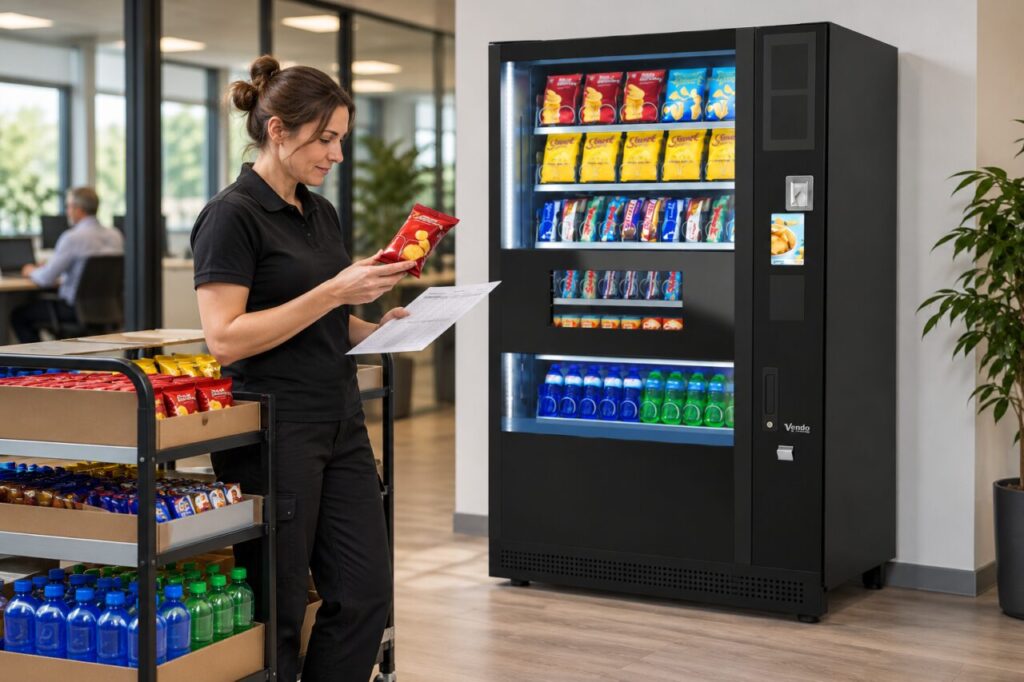
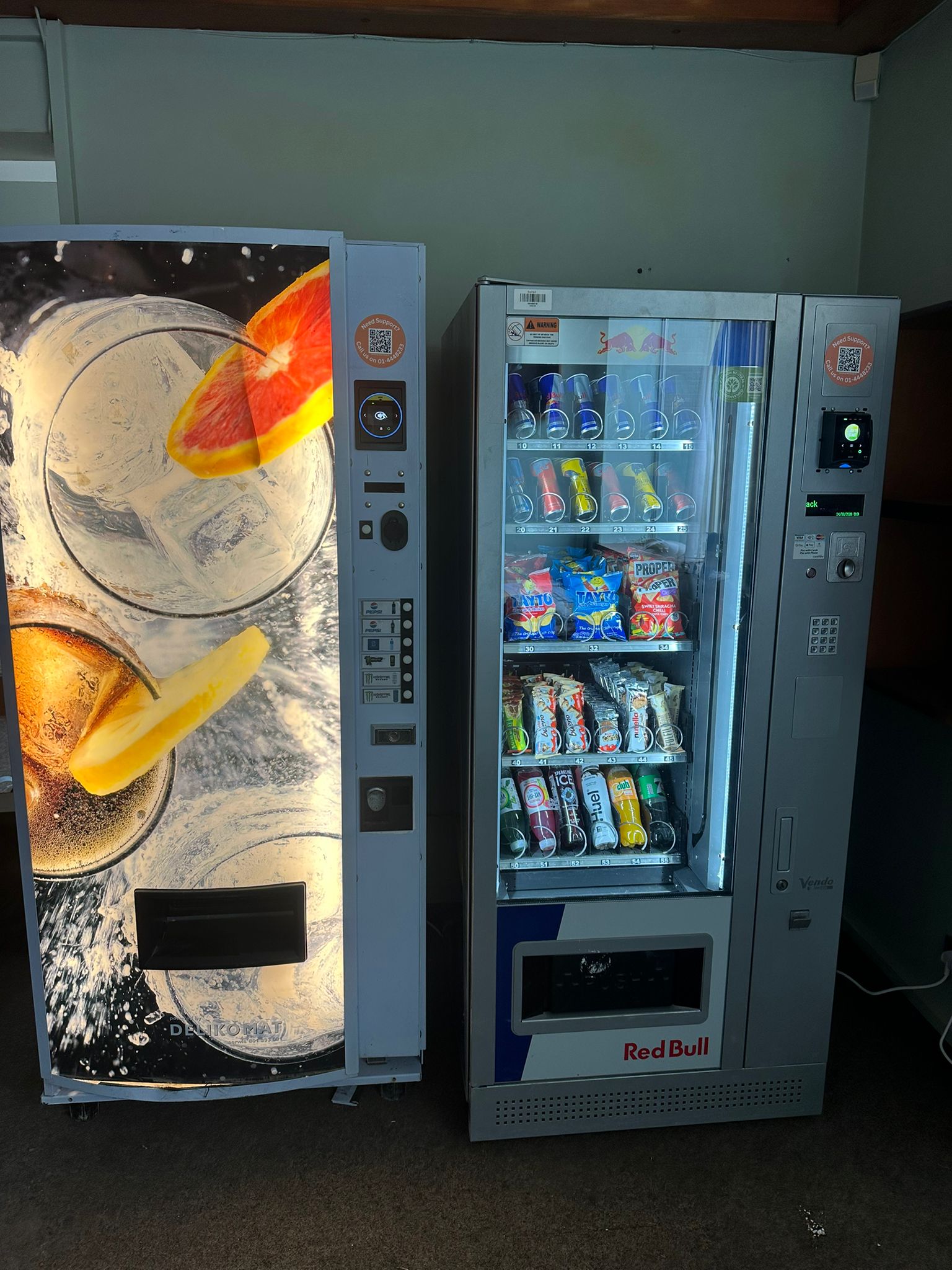
Start by separating three identifiers: the supplier’s product code, the business’s internal stock code and the machine’s selection reference. They may refer to related things, but they do not necessarily use the same format. A useful refill record explains the relationship rather than expecting the operator to infer it from memory.
Match the code to a complete description
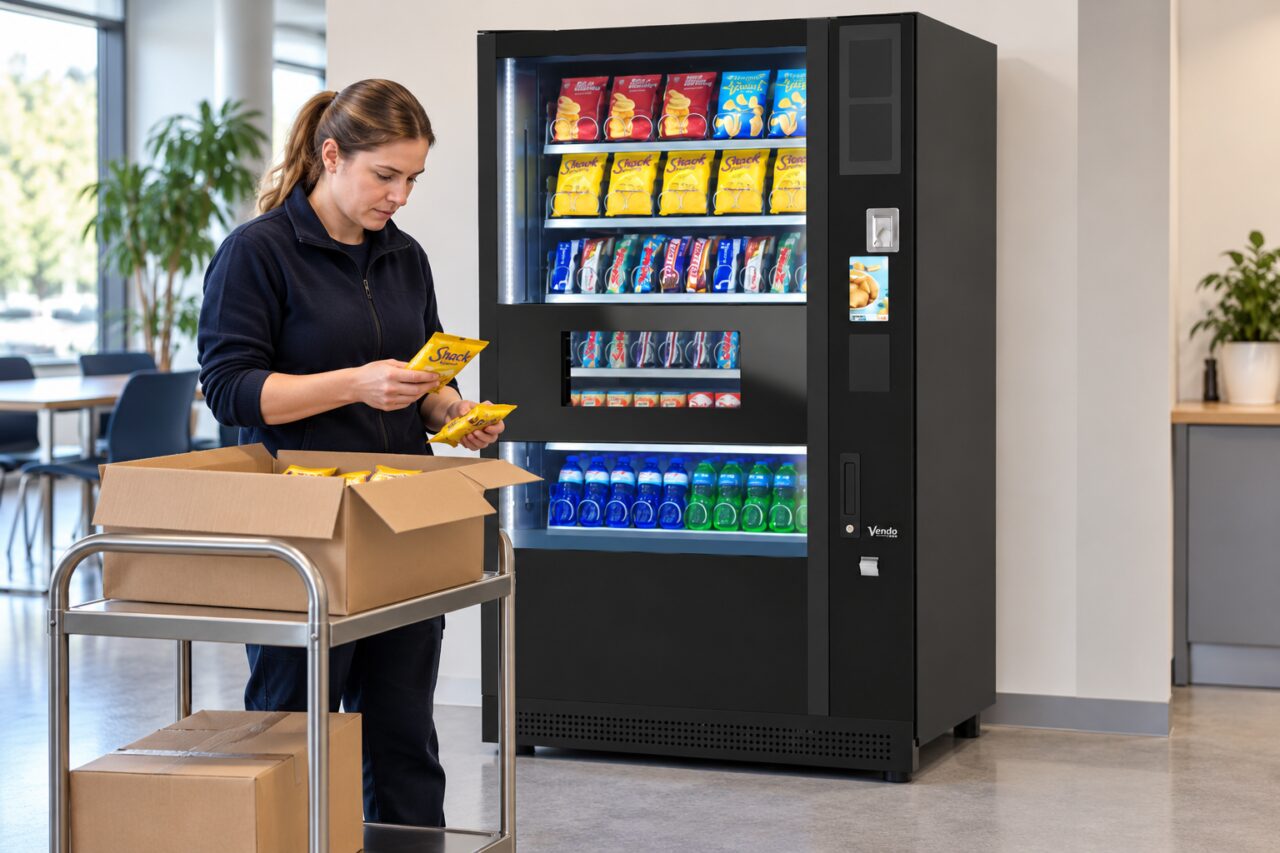
Find the current product record or ask the person responsible for stock data. Confirm the product name, flavour, individual pack size and any other detail needed to distinguish it from similar lines. Compare that information with the actual sealed pack. Do not rely only on packaging colour, which can be similar across different products.
If the record is missing or ambiguous, leave the identification unresolved and ask for clarification. Record the affected row and the physical stock available so the next person can answer efficiently. A photograph of the pack label may help when shared through the approved work channel, but it should support a clear written description rather than replace one.
Check the machine selection separately
Once the product is identified, match it to the intended selection using the current product map or operator instructions. A stock code is not permission to change a machine’s setup. If the pack differs from the one normally used, the authorised operator should confirm suitability before loading it into the existing arrangement.
When seeking help with vending products and equipment, provide the full product details and the machine identity. Saying that ‘code B4 is wrong’ may be unclear if B4 means a supplier line in one record and a customer selection in another. Explain which system the code comes from and what you are trying to establish.
Improve the working sheet
Add a readable product description beside the short code, with the unit basis stated clearly. For example, a quantity should identify whether it means cases or individual sellable packs. Keep the sheet concise enough to use at the machine, but do not remove the details that distinguish similar flavours or pack sizes.
Record the source and effective date of any correction. If a code has been reused or replaced, preserve the history needed to understand older stock entries. Do not silently rename past records in a way that makes it appear that a different product was always present. Ask the record owner how corrections should be applied consistently.
Check understanding with a cover operator
Give the revised sheet to someone who did not create it and ask them to identify a small sample of products. This is a practical clarity check, not an invitation to refill equipment without training. Note where they still need verbal explanation and improve those descriptions before the next cover shift.
At the following stock reconciliation, check that quantities and selections match the intended products. Keep unresolved rows out of routine guessing and give them a named owner. A short code can save space, but the record should still work when the usual operator is absent. Clear descriptions make both the refill and the later stock review easier to trust.
Related guidance: Vending Supplier Invoices Use Different Product Names: Match the Pack Before Posting.
For help assessing your site, contact Vending-Machines.ie.